Most people are significantly kinder to strangers than they are to themselves. They offer patience to friends in pain, grace to partners who make mistakes, and quiet encouragement to people they barely know — and then turn around and treat themselves with a harshness they would never direct at anyone else.
If any of that sounds familiar, you’re not alone, and you’re not broken. You’re simply someone who hasn’t yet learned to extend the same generosity inward.
Tarot for self love is a reflective practice that helps change that. Not by offering empty affirmations or telling you everything is perfect as it is, but by giving you a symbolic language for understanding your relationship with yourself more honestly — where you’ve been withholding care, what patterns have kept you from trusting your own worth, and what specific kind of tenderness your current situation is actually asking for.
This guide introduces you to 10 tarot cards that carry particularly powerful self-love messages, a 5-card self-love spread you can use today, the best questions to ask in a self-love reading, journaling prompts for deeper reflection, and the honest guidance about what tarot can and cannot do for your healing.
A gentle reminder before we begin: tarot is a meaningful tool for self-reflection and personal growth. It is not a substitute for therapy, mental health care, or professional support.
If you’re experiencing significant emotional distress, depression, anxiety, or trauma, please reach out to a licensed therapist or counselor alongside any spiritual practice you maintain. Seeking support is an act of self-love.
What Does Tarot for Self Love Really Mean?
Before pulling any cards, it helps to understand what self-love actually is in the context of a tarot practice — and what it isn’t.
Tarot as a Mirror for Your Relationship With Yourself
Tarot for self love works the same way tarot works for any kind of inner work: it gives form to what is often felt but difficult to articulate. Your relationship with yourself — the ongoing internal conversation about your worth, your capabilities, your right to take up space and receive good things — is usually operating below the threshold of conscious awareness.
Tarot brings it into view.
When you pull a card with the genuine question “what does my relationship with myself need right now,” you’re inviting your own deeper intelligence to show you what’s there. The card becomes a mirror — not flattering or distorting, but honest.
And honest mirrors, encountered with genuine willingness to look, are among the most powerful tools available for genuine self-knowledge.
Why Self Love Is More Than Feeling Confident
Popular culture often presents self-love as a feeling — as confidence, positive self-image, or simply feeling good about yourself. But genuine self-love is more accurately understood as an ongoing practice.
It is the choice to treat yourself with the same honesty, patience, and care that you would extend to someone you genuinely love. This means acknowledging pain without wallowing in it, taking responsibility without excessive self-blame, setting limits with people who deplete you, and choosing your own wellbeing even when it’s inconvenient for others.
Self-love is not the absence of self-awareness or accountability. It is awareness and accountability practiced from a foundation of fundamental self-respect.
The tarot cards in this guide don’t teach you to ignore your flaws — they teach you to engage with yourself as a whole, worthy, evolving person rather than through the lens of what’s deficient.
How Tarot Can Reveal Hidden Self-Worth Patterns
Many of the patterns that undermine self-love are not visible in ordinary daily thinking. They operate as background assumptions: “I’m not the kind of person who deserves this,” or “If I were really capable, I would have done this by now,” or “Other people’s needs matter more than mine.”
These assumptions are so familiar they feel like facts rather than beliefs.
A self love tarot reading disrupts that familiarity. When the Eight of Swords appears in response to a question about self-worth, it names the pattern directly: the belief system creating your current constraints is self-imposed, and the way out is available.
When The Empress appears and you feel resistance rather than warmth, that resistance itself is information about where self-nurturance has been blocked.
Using Tarot for Reflection Instead of Self-Judgment
The most important principle in tarot for self love is that the cards are never a verdict. They are a perspective.
A challenging card in a self-love reading is not a confirmation of your worst beliefs about yourself — it is an invitation to look more clearly at a specific pattern and respond to it with something other than judgment. The shift from self-judgment to self-reflection is itself an act of self-love, and it’s the fundamental orientation that makes this practice genuinely healing rather than merely interesting.
10 Tarot Cards for Self Love and Confidence
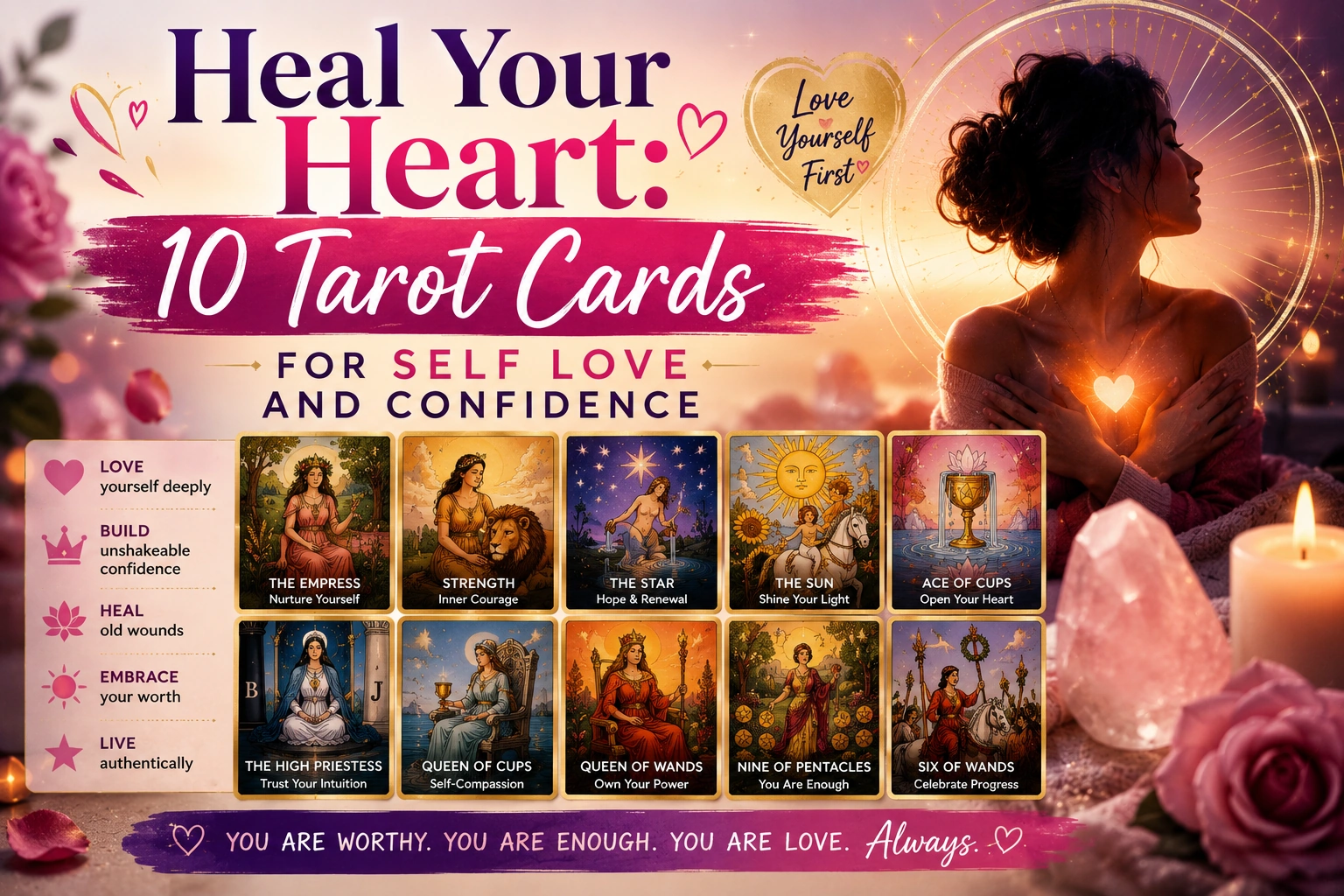
These ten cards represent the most powerful self-love messages in the tarot deck. Together, they cover the full range of what genuine self-love looks and feels like — from gentle nurturance to courageous boundaries, from quiet inner knowing to joyful self-expression.
1. The Empress — nurture yourself without guilt
The Empress is abundance made visible — a figure surrounded by lush growth, seated comfortably in her own richness, utterly unapologetic about the pleasure she takes in her own life. She is one of the most powerful cards in any self love tarot reading because she models something many people struggle deeply with: the capacity to receive, to rest, to enjoy, and to care for oneself without immediately justifying it through productivity or usefulness.
The Empress says: your comfort, your pleasure, your rest — these are not indulgences. They are the conditions under which you flourish.
When this card appears in a self-love reading, it’s asking where you have been withholding nurturance from yourself and what it would mean to offer yourself even a small amount of the generous care you so readily extend to others.
Self-love affirmation: I am allowed to receive. I am allowed to rest.
My wellbeing matters, not because of what I produce, but because of who I am.
2. Strength — gentle courage and emotional resilience
The figure in the Strength card does not overpower the lion with force. She tames it through quiet presence, patience, and a love so grounded it doesn’t need to assert itself loudly.
In a tarot for self love context, this card speaks directly to the relationship between your most difficult emotions and the most compassionate part of yourself.
The lion is every part of you that rages, fears, grieves, or struggles. Strength says: these parts of you don’t need to be eliminated, suppressed, or defeated.
They need to be met. Gently, firmly, and with genuine love.
This card appears when self-love means sitting with something difficult rather than escaping it, and discovering that your capacity to be present with your own pain is itself a form of courage.
Self-love affirmation: I can hold my most difficult feelings with gentleness. My struggles are not evidence of weakness.
They are evidence that I am a fully feeling human being.
3. The Star — hope, healing, and renewed self-trust
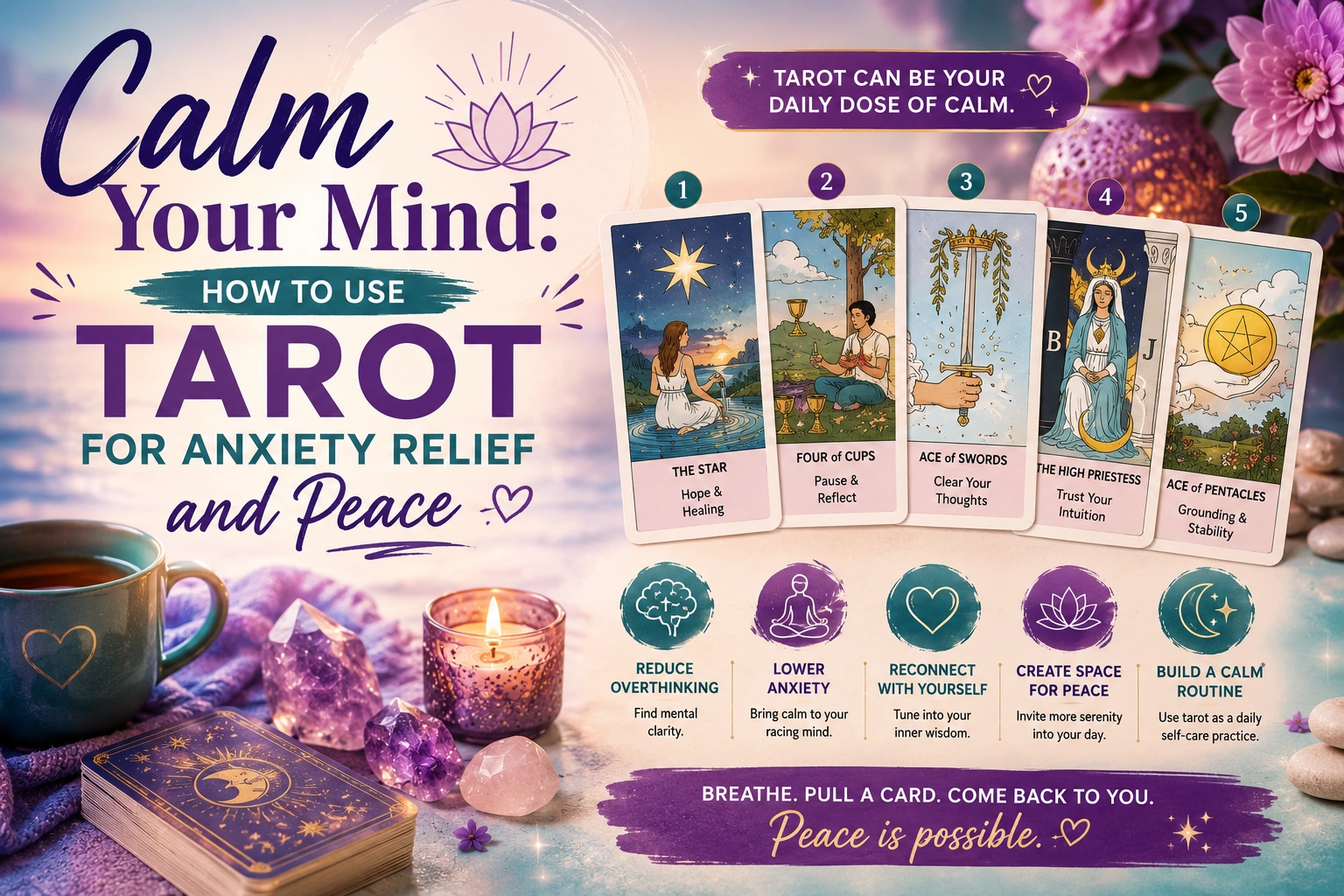
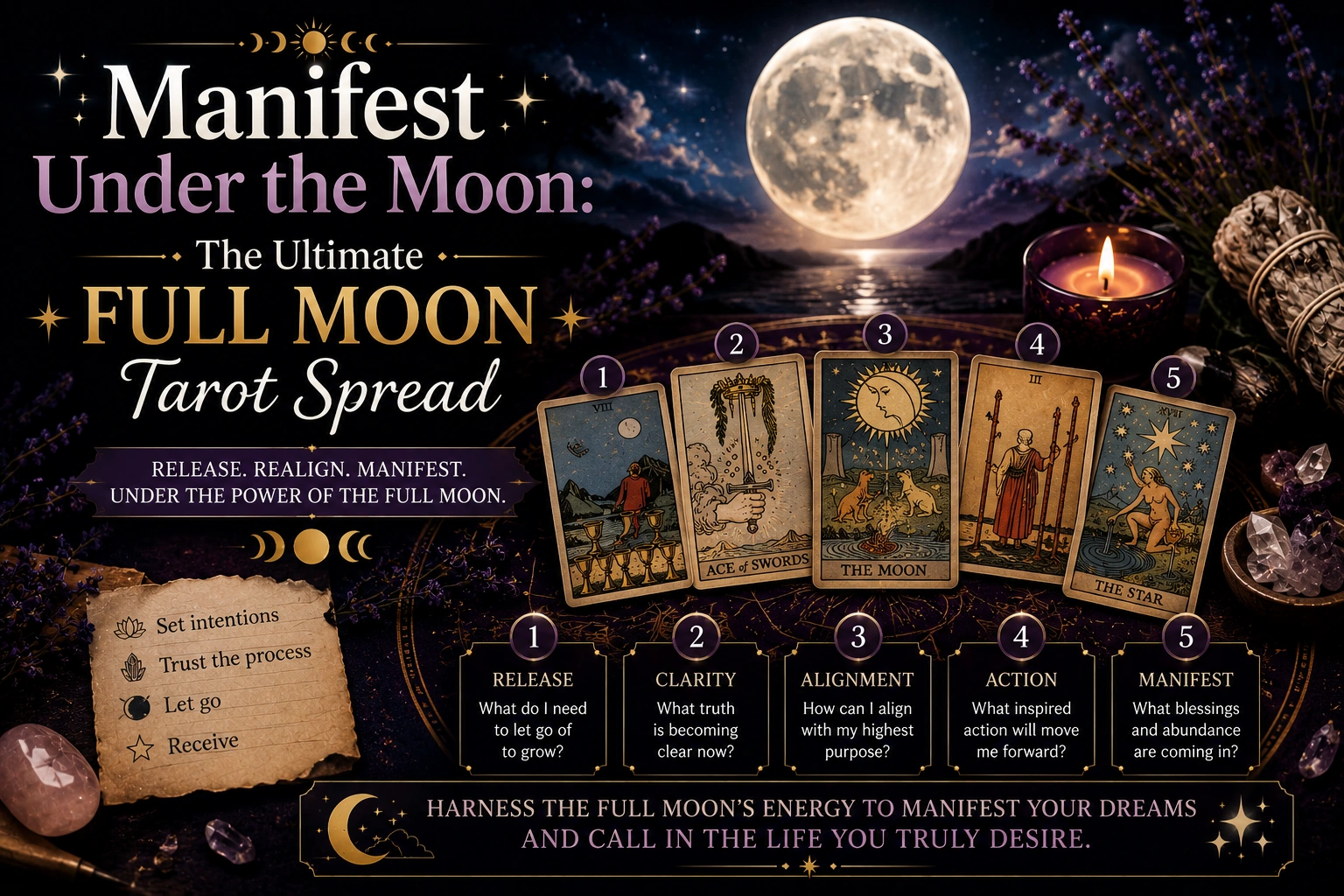
The Star appears after The Tower — after disruption, collapse, and the kind of loss that can make a person wonder if anything good is still possible. She pours water freely, her figure open and unhurried, the star-filled sky above her an affirmation that the light hasn’t gone anywhere.
In a self love tarot reading, The Star carries one of the most important messages available: healing is genuinely possible, and it is happening even when you can’t yet feel it.
When The Star appears, it’s often a signal that the work of rebuilding self-trust is underway — that the part of you that gave up on yourself, through criticism, through repeated disappointment, through the accumulated evidence of a difficult period, is beginning to find its way back to something real. The Star asks you to stay open.
To let the healing come at its own pace without forcing it.
Self-love affirmation: I am healing, even when I can’t see it clearly yet. I am allowed to hope for good things, including good things for myself.
4. The High Priestess — listening to your inner voice
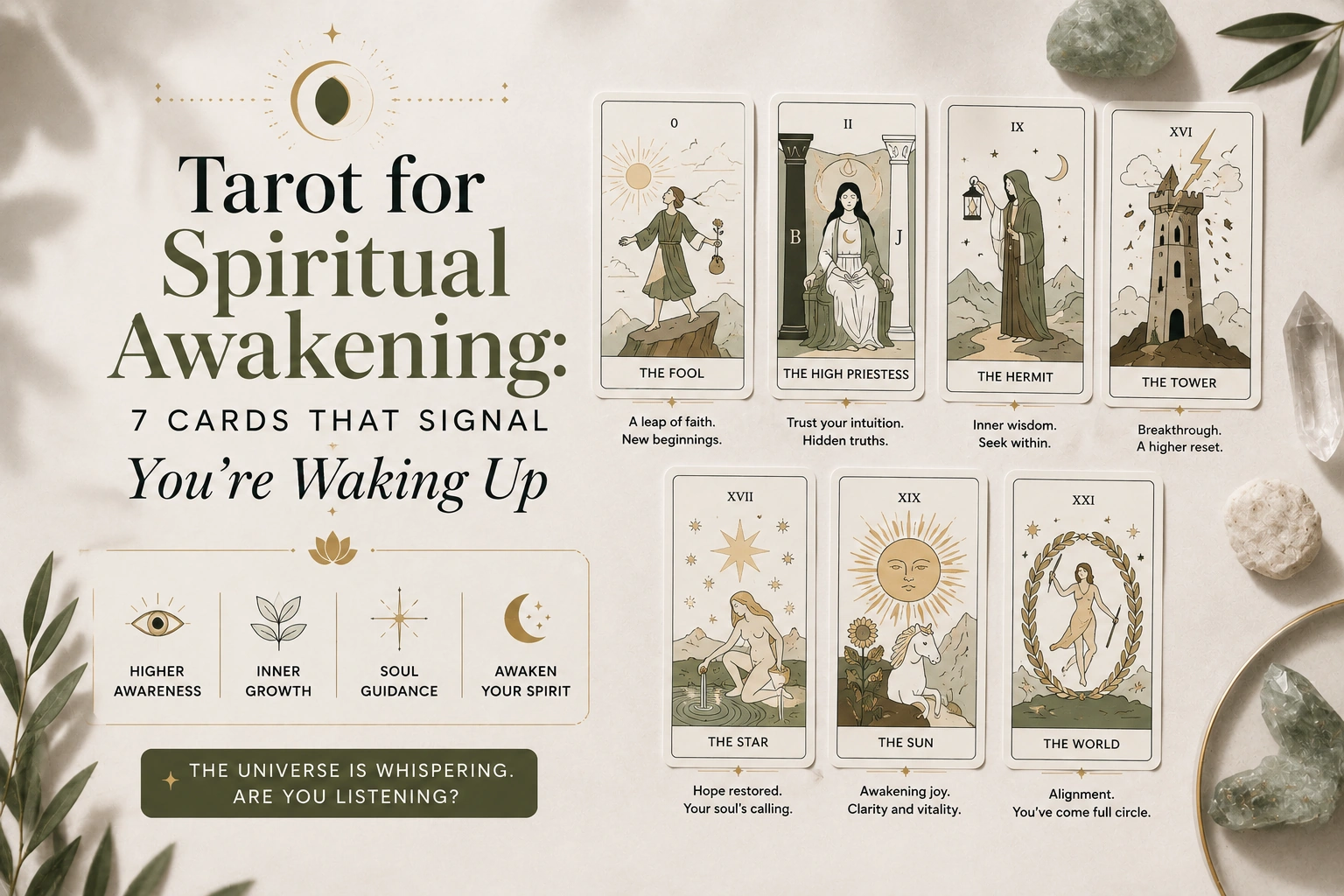
The High Priestess sits between two pillars — the known and the unknown — holding a scroll she doesn’t reveal, asking you to trust what you sense before it can be fully explained. In the context of tarot for self love, she speaks directly to the relationship between self-love and self-trust.
You cannot genuinely love something you constantly second-guess, override, or dismiss. And most people routinely override their own perceptions, feelings, and needs in favor of external approval.
The High Priestess says: your inner voice is reliable. Your intuition about your own needs is accurate.
The quiet knowing that surfaces in your body when something isn’t right deserves to be taken seriously. Learning to listen to that voice, rather than overriding it with “I shouldn’t feel this way” or “other people have it worse,” is one of the most foundational acts of self-love available.
Self-love affirmation: My inner knowing matters. I trust my perceptions.
I am allowed to honor what I genuinely feel.
5. The Sun — joy, authenticity, and self-expression
The Sun is unambiguous: radiant warmth, the joy of a child riding freely without restraint, the quality of aliveness that happens when a person is fully themselves rather than a curated version of what they think is acceptable. In a self love tarot reading, The Sun speaks to authentic self-expression — the part of you that gets buried under performance, people-pleasing, and the persistent sense that who you actually are might not be quite enough.
When The Sun appears, it’s often a direct question: where are you hiding? What part of your genuine self have you been keeping small, quiet, or private because you’re not sure it would be welcome?
The Sun’s message is that genuine self-love includes the courage to be fully seen — not in spite of your authentic self, but as that self, unedited.
Self-love affirmation: My authentic self is enough. I am allowed to take up space, express myself freely, and find joy in who I genuinely am.
6. Queen of Cups — emotional compassion and intuition
The Queen of Cups holds her cup with both hands, gazing at it with complete, unhurried attention. She is the archetype of emotional intelligence at its most mature: someone who has learned to honor her feelings without being overwhelmed by them, to offer genuine compassion without losing herself, and to trust her intuitive knowing as a reliable source of guidance rather than a liability.
In a tarot for self love reading, the Queen of Cups appears when the work involves learning to treat your own emotional experience with the same compassion and attention you’d offer someone you deeply care for. She asks: do you give your own feelings the same respectful attention you give to the feelings of people you love?
If the answer is no — which it often is — she invites you to begin.
Self-love affirmation: My feelings are valid and deserve my attention. I can hold my emotional experience with compassion rather than judgment.
7. Queen of Wands — confidence, visibility, and personal power
The Queen of Wands sits with absolute ease in her own authority, the black cat at her feet an indication that she has made peace with both her shadow and her power. She does not perform confidence — she inhabits it.
She knows what she wants, moves toward it without excessive apology, and radiates a warmth that comes from genuine self-assurance rather than from the need for external validation.
In a self love tarot reading, the Queen of Wands appears when the work involves stepping into your own visibility and power — when the next act of self-love is not rest or gentleness but the courageous choice to stop minimizing, to stop waiting for permission, and to show up as the person you already are. She asks: what would you do if you weren’t trying so hard to be palatable?
Self-love affirmation: I am allowed to be powerful, visible, and confident. My authentic authority is a gift, not a threat.
8. Nine of Pentacles — independence and recognizing your value
The Nine of Pentacles depicts a richly dressed figure standing alone in a thriving garden, a falcon on their wrist — the image of someone who has built something real through their own discipline, skill, and patient investment, and who enjoys the fruits of that effort with elegant self-sufficiency. This card is one of tarot’s clearest images of earned self-respect.
In a tarot for self love reading, the Nine of Pentacles often appears when the work involves learning to acknowledge and claim your own accomplishments rather than immediately minimizing them, deflecting the credit, or moving on before you’ve let yourself feel the satisfaction of what you’ve built. Self-love includes the willingness to recognize your own value — genuinely, specifically, and without requiring external confirmation first.
Self-love affirmation: I acknowledge what I have built and earned. My worth does not depend on external validation.
I am allowed to feel proud of who I am becoming.
9. Ace of Cups — opening your heart to yourself
The Ace of Cups is the tarot’s most direct image of emotional availability — an overflowing cup offered from an open hand, pure potential for feeling and connection. In the context of tarot for self love, this card asks a question that many people find surprisingly difficult: are you emotionally available to yourself?
Not to your list of obligations, not to the version of yourself that others need you to be, but to yourself — your actual feelings, needs, and longings?
The Ace of Cups appears when self-love requires opening the channels of feeling that have been shut down through self-protection, emotional neglect, or the survival strategy of simply not allowing yourself to want things. It invites you to begin again — to bring the same quality of open-hearted reception to your own inner life that you would bring to a relationship you genuinely valued.
Self-love affirmation: I am open to my own feelings. I allow myself to need, to want, to feel.
My emotional life deserves my full presence.
10. Six of Swords — moving gently toward emotional healing
The Six of Swords depicts a small group crossing water — moving from troubled seas to calmer ones, the swords still present in the boat but their sharpest energy left behind. This card doesn’t promise that everything will be immediately better.
It simply shows that movement in the direction of healing is possible and that the calmer waters ahead are genuinely there.
In a tarot for self love reading, the Six of Swords often appears during difficult periods — after heartbreak, after significant struggle, after extended periods of harsh self-treatment — to offer the specific kind of hope that is most useful: not the unrealistic promise of instant relief, but the honest assurance that the journey toward healing is moving in the right direction. You don’t have to be healed to be healing.
The movement itself is enough.
Self-love affirmation: I am allowed to move toward better, even slowly. My healing does not have to be dramatic or immediate.
Moving gently forward is enough.
How These Tarot Cards Support Self Love
Each of the ten cards offers a specific type of self-love support — not as abstract inspiration but as a concrete invitation to a particular way of relating to yourself.
Building Confidence Without Needing External Approval
The Queen of Wands, the Nine of Pentacles, and The Sun all address the specific challenge of building confidence that is genuinely internal rather than externally dependent. These cards consistently appear when a person has been anchoring their self-worth in other people’s opinions, and they invite the shift toward a quieter, more stable sense of value that doesn’t require anyone else’s confirmation to remain real.
Learning to Honor Your Feelings
The Queen of Cups, the Ace of Cups, and The High Priestess all address the practice of treating your own emotional experience with genuine respect. For many people, this is the most counterintuitive form of self-love — because dismissing, overriding, or minimizing their feelings is so habitual it no longer feels like self-neglect.
It just feels normal. These cards ask for a different kind of normal.
Recognizing Strengths You May Overlook
The Strength card, the Nine of Pentacles, and The Star all speak to strengths and accomplishments that are genuinely present but often unacknowledged. Tarot for self love includes the practice of honest self-recognition — seeing clearly what you have developed, survived, and built, rather than always focusing attention on what remains undone or unresolved.
Releasing Harsh Self-Criticism
One of the most consistent patterns in self-love readings is the presence of internal self-criticism that has become so familiar it feels like truth rather than opinion. The Strength card, The High Priestess, and the Ace of Cups all carry aspects of this invitation: to relate to yourself with curiosity rather than judgment, with compassion rather than condemnation.
Not because you have no room for growth, but because harsh self-criticism has never yet produced genuine, lasting improvement.
Creating Healthier Emotional Boundaries
Self-love includes the practice of setting limits with people, situations, and demands that consistently deplete you beyond what is genuinely sustainable. The Queen of Wands, the Nine of Pentacles, and The Empress all carry aspects of this teaching.
Boundaries are not walls — they are the conditions under which you can genuinely give, show up, and connect without gradually hollowing yourself out.
Tarot Cards That May Reveal Self-Doubt or Low Self-Worth
Just as important as knowing which cards offer self-love messages is understanding which cards most commonly appear in readings when self-worth is compromised. These cards are not “bad” — they are honest mirrors that name what needs attention.
Five of Pentacles: Feeling Excluded or Unsupported
The Five of Pentacles often appears when a person has internalized a profound sense of lack — of being on the outside looking in, of believing that abundance, belonging, or support is available to others but not to them. In a self-love reading, this card typically points to a belief that you don’t quite belong in the good things you observe others receiving.
Recognizing this as a belief rather than a fact is the beginning of addressing it.
Eight of Swords: Limiting Beliefs and Negative Self-Talk
The blindfolded figure surrounded by swords in the Eight of Swords is the tarot’s clearest image of self-imposed mental limitation — the belief system that says you are trapped when the actual constraints are significantly less absolute than they appear. In a self-love reading, this card names the specific narrative about yourself that is most limiting your sense of possibility.
The swords can be walked away from. The first step is removing the blindfold.
Three of Swords: Emotional Pain and Heartbreak
The Three of Swords names grief, heartbreak, and the emotional wounds that can become — when unacknowledged — the lens through which everything is subsequently experienced. In a self-love reading, this card often appears to name pain that hasn’t been fully honored: loss, disappointment, or the specific hurt of having been treated as less than fully worthy by someone or something that mattered.
Acknowledging the pain is the beginning of moving through it.
The Devil: Shame, Attachment, and Unhealthy Patterns
The Devil in a self-love reading most often names the patterns of shame, compulsion, or unhealthy attachment that keep a person locked in cycles they’ve long recognized as harmful. The chains in this card are not physical — they represent the beliefs, the identifications with pain, and the familiar but self-destructive patterns that feel more like home than freedom does.
This card asks: what would genuine liberation from this pattern feel like? And is that liberation something you believe you deserve?
Five of Cups: Grief and Focusing on What Feels Lost
The figure in the Five of Cups stands focused on three spilled cups, not yet seeing the two that remain upright. In a self-love reading, this card names the habit of focusing on what has been lost, failed, or fallen short at the expense of seeing what remains available.
Self-love sometimes requires deliberately redirecting your attention toward what you still have — including the parts of yourself that are still whole and still worth caring for, even after loss.
Seven of Cups: Comparison, Fantasy, and Insecurity
The Seven of Cups appears when comparison, distorted self-perception, or wishful thinking is making honest self-assessment genuinely difficult. In a self-love reading, it often speaks to the habit of measuring yourself against idealized versions of other people’s lives — and finding yourself consistently lacking by a comparison that was never fair to begin with.
The invitation is to return to the specific, real, valuable person you actually are, rather than the fantasy of who you might be if only.
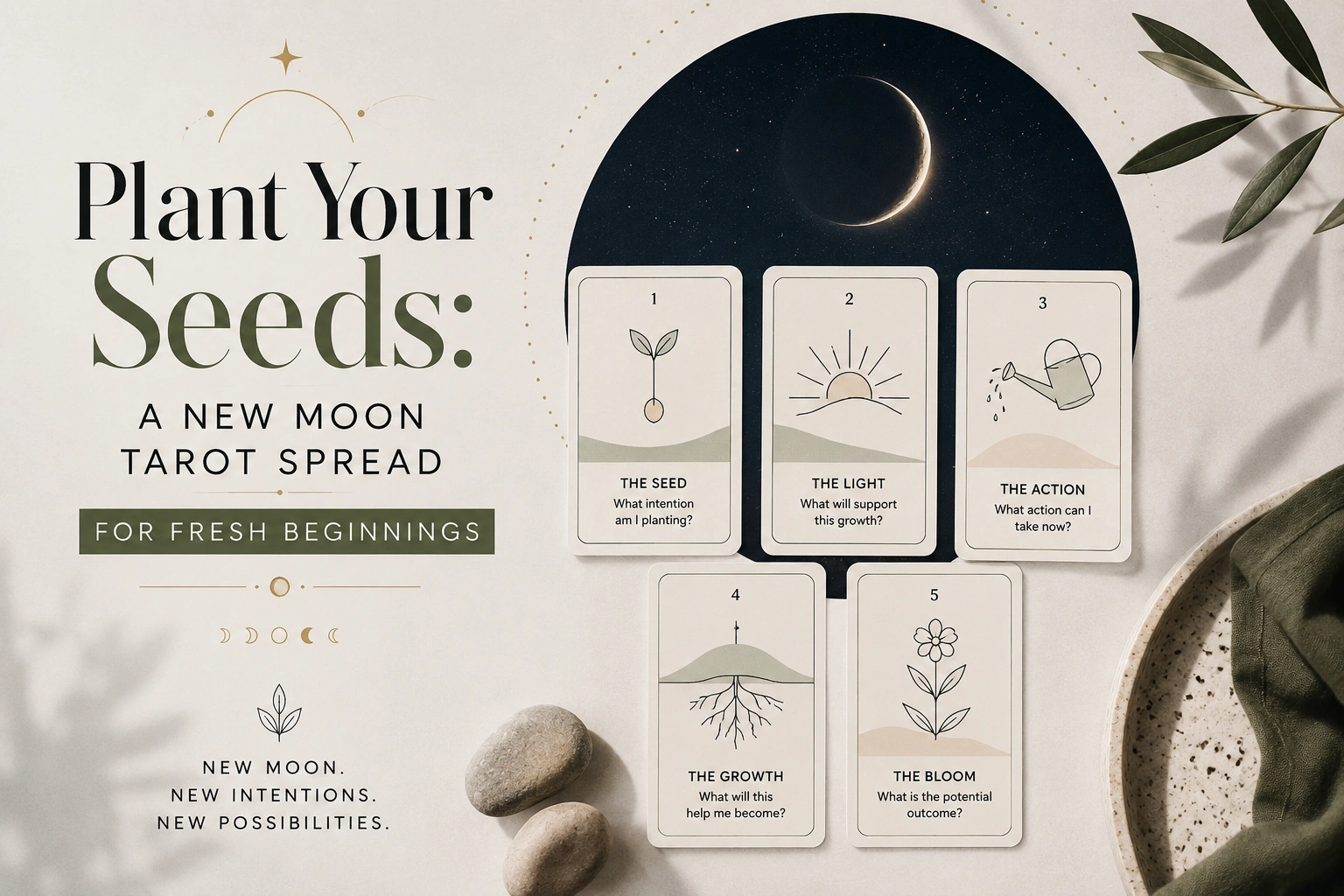
Tarot for Self Love: A Simple 5-Card Spread
This spread is designed to be used as a gentle, regular self-love practice rather than a one-time event. Pull it at the beginning of a difficult week, during a period of self-doubt, or whenever you need a reminder of what you’re working with and what you’re worth.
Card 1: What Part of Myself Needs More Love?
This opening card names where your own compassion and care are most needed right now — the dimension of your experience that has been receiving the least of your own warmth. It might be a specific feeling, a particular aspect of your character, a fear, or a pattern of self-criticism.
Whatever it is, the card is naming it so you can consciously direct some gentleness toward it.
Card 2: What Belief Is Blocking My Confidence?
The second card names the specific limiting belief most actively undermining your self-worth right now. This is the card with the most direct practical application — because once you can name the belief clearly, you can begin to examine whether it’s actually true, where it came from, and what you’d like to replace it with.
Read this card as a diagnosis, not a verdict.
Card 3: What Strength Am I Forgetting?
The third card names a genuine quality, capacity, or accomplishment that you have but are currently undervaluing or overlooking. Many people in periods of self-doubt have difficulty accessing honest awareness of their strengths — not from false modesty, but because the inner critic is louder.
This card asks you to recognize something real and valuable about yourself that you may have been setting aside.
Card 4: What Boundary Would Support My Well-Being?
The fourth card names a specific limit that, if honored, would protect your energy, your peace, or your sense of self right now. This might be a limit with another person, with a commitment, with a habit, or with the inner critic itself.
Read this card as a practical self-love instruction: what specifically do you need to protect?
Card 5: What Is One Loving Action I Can Take Today?
The final card names one specific, realistic, immediately actionable expression of self-love available to you right now. Not a grand transformation — one small, concrete, kind thing you can do for yourself today.
Whatever card appears, translate it into the most specific, grounded action possible. This is the bridge between the reading and the real world.
How to Use This Self Love Tarot Spread
Step 1: Create a Calm and Safe Space
Find a quiet place and a few undistracted minutes before you begin. Silence your phone.
Make yourself comfortable. If it helps to light a candle or make tea, do that.
The physical environment matters because self-love readings require a quality of gentle presence that is difficult to access in the middle of noise and distraction.
Step 2: Ask With Compassion, Not Pressure
Approach the spread with the same tone of voice you’d use to talk to someone you care about who is going through a hard time. Not interrogating yourself, not demanding breakthrough — genuinely asking, with warmth, what you need to know.
If the question feels critical or pressured, soften it before you shuffle.
Step 3: Pull Your Cards Slowly
Shuffle deliberately and pull each card one at a time, placing it in its position before drawing the next. Give each card a moment of genuine attention before moving to the following one.
Rushing through a self-love reading defeats its purpose.
Step 4: Read the Cards as a Supportive Message
Read each card as if it were coming from the most compassionate, honest advisor you’ve ever had — someone who sees you clearly and genuinely wants you to flourish. Not someone who tells you what you want to hear, but someone who tells you what would actually serve you.
Even a difficult card in this spread is a supportive message, not a judgment.
Step 5: Journal What Feels True
After interpreting each card, write down what resonated most honestly. Not the most spiritually impressive interpretation — what actually felt true about your current experience.
The journaling is where the reading becomes genuinely personal and where the most useful insights tend to surface.
Step 6: Choose One Realistic Action to Practice
Before putting the cards away, identify one specific, small, realistic thing you will do differently today based on what the reading showed you. Not a life transformation — one small act of kindness, protection, recognition, or honesty directed toward yourself.
That one act is enough. Let the next one reveal itself from there.
Best Tarot Questions for Self Love and Confidence
The questions you bring to a self love tarot reading shape what you receive. These seven questions consistently produce the most honest and practically useful guidance.
What Do I Need to Forgive Myself For?
This question may be the most uncomfortable in the guide — and often the most important. Many people carry a quiet, persistent weight of self-blame for mistakes, choices, or periods of their life that they haven’t yet genuinely released.
The card that appears names what’s being held, and opens the possibility of beginning to set it down.
What Makes Me Worthy Even When I Struggle?
This question challenges one of the most common self-worth distortions: the belief that your value is contingent on your performance, productivity, or success. The card that appears names a quality of inherent worth — something true about you that exists independently of what you achieve or produce.
Where Am I Being Too Hard on Myself?
A direct question for the inner critic. The card that appears names where the self-critical voice has been most active and most disproportionate.
Naming the specific area of over-criticism is often the first step toward moderating it.
What Inner Strength Am I Ready to Claim?
This question identifies the quality, capacity, or earned understanding that is genuinely yours and ready to be consciously owned rather than minimized. It’s a claiming question — an invitation to acknowledge and take possession of something real that belongs to you.
What Does Self-Respect Look Like in This Situation?
This question is particularly useful when you’re facing a specific situation where you’ve been uncertain about how to honor yourself. The card that appears names the specific expression of self-respect that the situation is calling for — whether that’s speaking up, stepping back, declining something, or simply being honest about what you feel.
What Boundary Would Protect My Energy?
A practical, immediately actionable question that produces specific guidance about where your limits need to be more clearly honored. Read the card for what specific kind of protection it represents — emotional, physical, relational, or energetic.
How Can I Show Up for Myself Today?
The most daily, practical self-love question. Whatever card appears, translate it into one specific action you can take in the next twenty-four hours.
This question is useful precisely because it is small, concrete, and immediately executable.
Tarot Journaling Prompts for Self Love
These prompts are designed to be used after any self-love tarot reading, turning the card’s message into genuine personal insight.
What Did This Card Reflect About How I See Myself?
Write honestly about what the card showed you about your current self-perception — not what you wish your self-perception were, but what it actually is right now. This kind of honest self-inventory, practiced without judgment, is itself an act of self-respect.
What Emotion Am I Being Invited to Honor?
Write about the feeling that the card most directly touches — the emotion that has been present but perhaps not fully acknowledged. Name it specifically.
Not “I feel bad” but “I feel disappointed in myself” or “I feel afraid that I’m not enough.” Specific naming creates the possibility of specific response.
What Would I Say to a Friend in This Situation?
This is one of the most consistently effective self-compassion exercises available. Write the exact words — warm, honest, encouraging — that you would offer to someone you genuinely care about who was going through exactly what you’re going through.
Then read what you wrote as if it were addressed to you. Because it is.
What Small Act of Self-Care Feels Possible Today?
Write about one small, specific, realistic thing you can do today to care for yourself — not a grand gesture, but something genuinely nurturing within the constraints of your actual life. Small acts of self-care, practiced consistently, compound into a substantially different relationship with yourself over time.
What Am I Ready to Stop Believing About Myself?
Write about the specific self-limiting belief that felt most activated by the reading — the story about yourself that you’ve been treating as fact but that the cards are inviting you to examine. Write it out explicitly, then write what you would believe instead if you genuinely trusted your own worth.
How to Turn a Tarot Reading Into Real Self Love
A reading that stays entirely in reflection without moving into action is interesting but limited. Here’s how to carry what the cards showed you into your actual life.
Practice One Compassionate Thought
Choose one thought that genuinely feels warmer toward yourself than the one it’s replacing and practice it deliberately throughout the day. Not a forced affirmation that contradicts what you feel, but a marginally more compassionate interpretation of yourself: instead of “I always mess things up,” try “I’m learning, and this is one step in that process.”
Small cognitive shifts, practiced consistently, create genuine change over time.
Replace Self-Criticism With Curiosity
When the inner critic surfaces, practice substituting a question for the judgment. Instead of “Why can’t I just do this right?”
try “What’s making this hard right now?” Curiosity is not weakness — it’s the stance of someone taking their own experience seriously enough to actually understand it rather than just condemn it.
Set a Boundary That Supports Your Peace
Identify one concrete boundary the reading pointed toward and honor it in one specific situation today. Not a dramatic announcement — simply a quiet, firm honoring of what you identified as necessary for your own wellbeing.
The action itself, however small, reinforces the belief that your needs are worth protecting.
Celebrate Small Evidence of Growth
At the end of any day you’ve practiced self-love, notice one thing — however minor — that went differently because you chose to treat yourself better. A kinder internal response to a mistake.
A limit you honored that you would previously have overridden. A moment of genuine self-recognition.
Noticing these small shifts is how a new relationship with yourself is gradually built.
Ask for Support When You Need It
One of the most important and most frequently overlooked acts of self-love is the willingness to ask for help. From a friend, a mentor, a therapist, or a community.
The belief that you should be able to manage everything alone is not strength — it is a very familiar and very costly form of self-abandonment. Asking for support is an act of self-respect, and it opens channels that isolation consistently closes.
Common Mistakes When Using Tarot for Self Love
Expecting the Cards to ‘Fix’ Your Confidence
A tarot reading can show you where your self-worth has been undermined and what patterns are maintaining it. It cannot create confidence for you.
The cards are a diagnostic tool and a source of insight — the actual work of building genuine self-love happens in the choices you make, the thoughts you practice, the limits you honor, and the support you seek. The reading is the beginning, not the destination.
Reading Only What You Want to Hear
Self-love readings are not comfort readings — they are honest ones. If you find yourself consistently softening challenging cards or focusing only on the most affirming interpretation, the reading is no longer doing the work of honest self-reflection.
The cards that make you uncomfortable in a self-love reading are often the most important ones.
Using Tarot to Avoid Difficult Emotions
A reading done to escape feeling something rather than to understand it will consistently produce unclear or confusing results. Tarot for self love works when it goes toward the feeling, not away from it.
If you’re using readings primarily to manage anxiety rather than to gain genuine insight, a grounding practice before the reading will serve you better than more cards.
Pulling Cards Repeatedly for Reassurance
This is the self-love version of the common tarot mistake of asking the same question multiple times: pulling card after card looking for the reassurance that the original card didn’t provide. If the first card in a self-love reading made you uncomfortable, that discomfort is information — not a problem to be solved by a better card.
Confusing Self-Love With Avoiding Accountability
Self-love does not mean refusing to examine your own role in difficult situations, or deciding that your comfort always takes precedence over everyone else’s needs. Genuine self-love includes honest accountability for the impact of your own choices.
The difference between self-love and self-indulgence is that self-love serves your genuine wellbeing and growth, while self-indulgence avoids the discomfort of honest self-examination.
Ignoring the Need for Professional Support During Emotional Distress
If your self-love readings are consistently revealing significant emotional pain, depression, anxiety, trauma, or patterns that feel beyond the reach of self-reflection alone, please reach out to a licensed therapist or counselor. Tarot is a powerful tool for self-reflection.
It is not a mental health intervention. Seeking professional support is not an admission of failure — it is exactly the kind of self-love this guide has been describing all along.
When Tarot Can Support Healing — and When to Seek More Support
Tarot as a Companion to Self-Reflection
Tarot for self love works best as a companion to other self-care and self-knowledge practices — journaling, honest conversation with trusted people, rest, physical self-care, and where appropriate, professional therapeutic support. It adds a symbolic, reflective layer to the practice of getting to know yourself more honestly and treating yourself more kindly.
It is not designed to carry the entire weight of healing alone.
Signs You May Benefit From Talking to Someone
Consider reaching out to a therapist or counselor if you are experiencing persistent feelings of worthlessness that don’t respond to self-reflection, significant depression or anxiety, intrusive thoughts of self-harm, trauma responses or flashbacks, or the sense that the patterns surfacing in your readings are larger than you can address alone. These are not signs of weakness.
They are signals that your situation deserves more support than self-directed reflection can provide.
Why Asking for Help Is an Act of Self-Respect
Asking for professional help is not a confession that your self-love practice has failed. It is the opposite.
It is recognizing that you matter enough to receive the specific kind of support your situation actually requires. The person who seeks help when they need it is not someone who has given up on themselves — they are someone who values themselves enough to get what they genuinely need rather than settling for what they can manage alone.
Combining Spiritual Practices With Practical Care
The most sustainable approach to self-love combines spiritual practice — including tarot — with practical self-care: adequate sleep, nourishing food, movement, genuine connection with other people, and professional support when warranted. Spiritual practices enrich and deepen these practical foundations.
They are not designed to replace them.
Final Thoughts on Tarot for Self Love
Tarot for self love is not about creating a version of yourself that never struggles, never doubts, and never needs anything. It is about learning to meet the person you actually are — with all your complexity, your wounds, your growth edges, and your genuine gifts — with something closer to the honest, patient, compassionate attention you deserve.
The ten cards in this guide don’t represent an ideal of self-love to aspire toward. They represent the specific qualities that become available when you choose, one day at a time, to treat yourself with something approaching the care you readily offer others: The Empress’s permission to receive.
The Strength card’s gentle integration of difficulty. The Star’s quiet conviction that healing is genuinely possible.
The High Priestess’s trust in your own knowing. The Queen of Wands’s unapologetic visibility.
The cards cannot create self-love. They cannot install it, convince you of it, or bypass the actual daily practice of choosing it.
What they can do — and what they do consistently when worked with honestly — is help you remember what’s already there. The strength that survived what you’ve been through.
The compassion you’ve always known how to offer. The worth that was never actually contingent on your performance.
That remembering is where self-love begins. And every time you pull a card and look honestly at what it shows you, you are choosing it again.
One honest, compassionate, courageous glance at a time.
FAQ: Tarot for Self Love
Q1: Can tarot help with self love?
Yes — tarot is a meaningful tool for self-love when used as a reflective practice rather than a predictive one. It helps surface the specific beliefs, patterns, and emotional needs that are most active in your relationship with yourself — making it possible to address them consciously rather than being governed by them unconsciously.
Tarot for self love works best alongside other self-care practices, and in some situations alongside professional therapeutic support. It can deepen self-knowledge, reveal where compassion is most needed, and provide practical prompts for building genuine self-worth.
Q2: What tarot cards represent self love and confidence?
The tarot cards most strongly associated with self-love and confidence are: The Empress (generous self-nurturance), Strength (compassionate emotional resilience), The Star (hope and self-trust after difficulty), The High Priestess (trusting your inner voice), The Sun (authentic self-expression), Queen of Cups (emotional self-compassion), Queen of Wands (visibility and personal power), Nine of Pentacles (recognizing your own earned value), Ace of Cups (opening your heart to yourself), and Six of Swords (moving gently toward healing). Each offers a distinct aspect of self-love as a full, multifaceted practice.
Q3: What is the best tarot spread for self worth?
The 5-card self-love spread in this guide is designed specifically for self-worth work. It covers: what part of yourself needs more love right now, what belief is blocking your confidence, what strength you’re currently overlooking, what boundary would support your wellbeing, and what one loving action you can take today.
This spread works best done slowly, with a journal nearby, and with the genuine intention of receiving honest information rather than reassurance.
Q4: How can I use tarot to build confidence?
Use tarot to build confidence by asking honest questions that address the roots of self-doubt rather than seeking reassurance about outcomes. Useful questions include: Where am I being too hard on myself?
What strength am I ready to claim? What limiting belief is most affecting my confidence right now?
What would genuine self-respect look like in this situation? The cards that appear name what’s actually present — and engaging honestly with what you find, rather than pulling cards until you get something more comfortable, is itself a practice of the self-respect that underpins genuine confidence.
Q5: Can tarot support emotional healing?
Yes — tarot for self love can meaningfully support emotional healing as a reflective and symbolic companion to the healing process. It helps identify where emotional pain has been unacknowledged, name the specific patterns and beliefs that maintain emotional difficulty, and point toward concrete next steps in the healing journey.
It is not a therapeutic intervention and does not replace professional mental health care for significant emotional distress, depression, anxiety, or trauma. Used alongside appropriate support, however, tarot can be a powerful tool for ongoing emotional self-awareness and compassionate self-engagement.