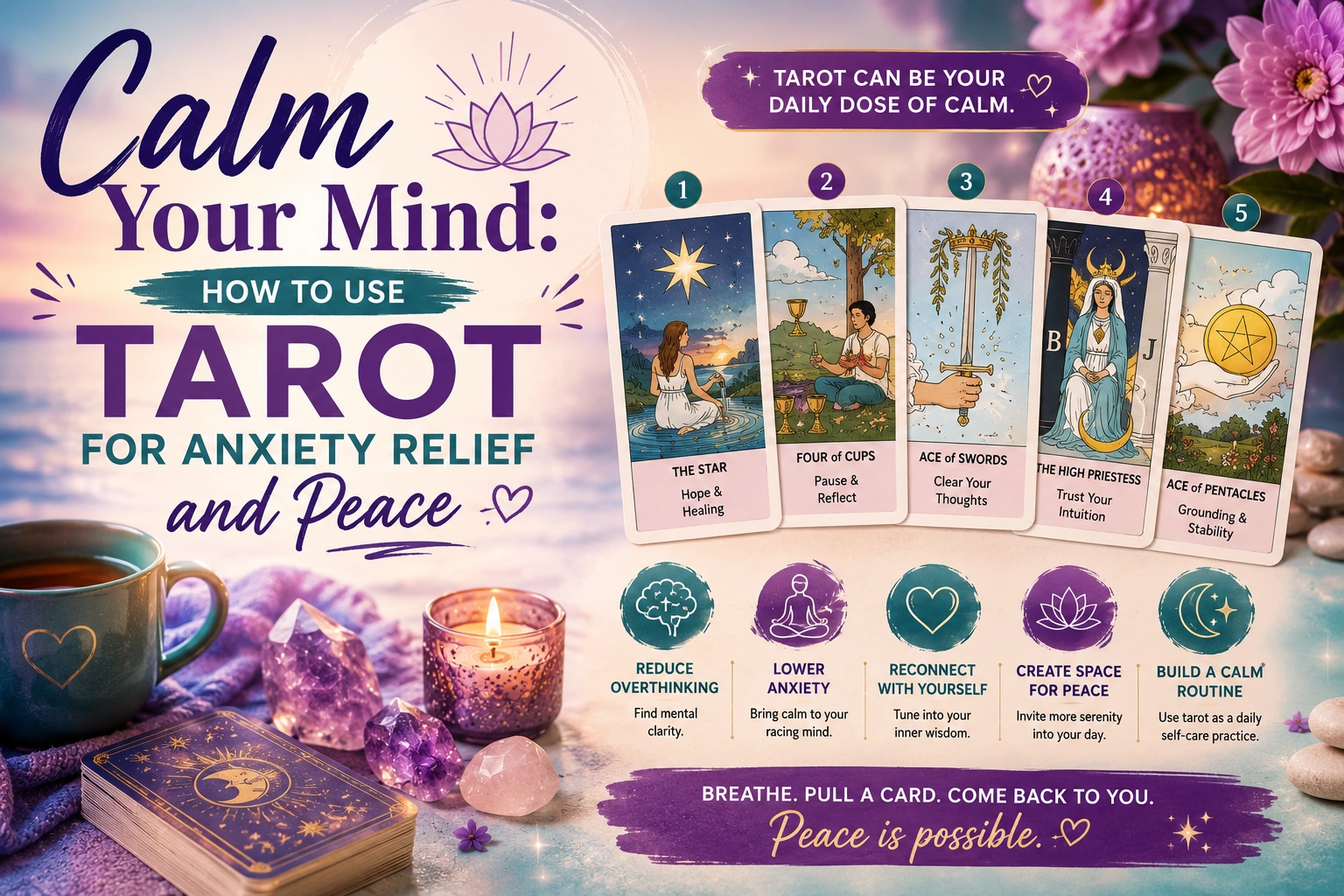
The desire for emotional connection is not abstract — it shows up in choices, patterns, and repeated relationship dynamics. Tarot has long been used as a symbolic system to observe those patterns with clarity rather than prediction.
When applied to relationships, love-focused tarot readings offer a way to examine emotional bonds, personal projections, and the deeper forces shaping attraction and attachment.
Rather than promising certainty about outcomes, relationship-oriented tarot work helps reveal why certain connections form, where tension accumulates, and how emotional alignment can be restored or consciously released.
Approached with maturity, it becomes a tool for relational awareness, not romantic fantasy.
The Core Symbolic Language Behind Relationship Readings
Although any of the 78 cards may appear in a relationship spread, certain archetypes consistently signal emotional dynamics, commitment themes, and attachment patterns.
In practice, experienced readers pay less attention to isolated meanings and more to how emotional symbols repeat or interact across a spread.
Major Arcana: Relationship Themes That Shape the Story
Major Arcana cards tend to indicate defining lessons or structural turning points within a relationship, rather than day-to-day emotions.
| Card | Relational Theme | What It Highlights |
|---|---|---|
| The Lovers (VI) | Alignment through choice | Values, emotional honesty, and conscious commitment |
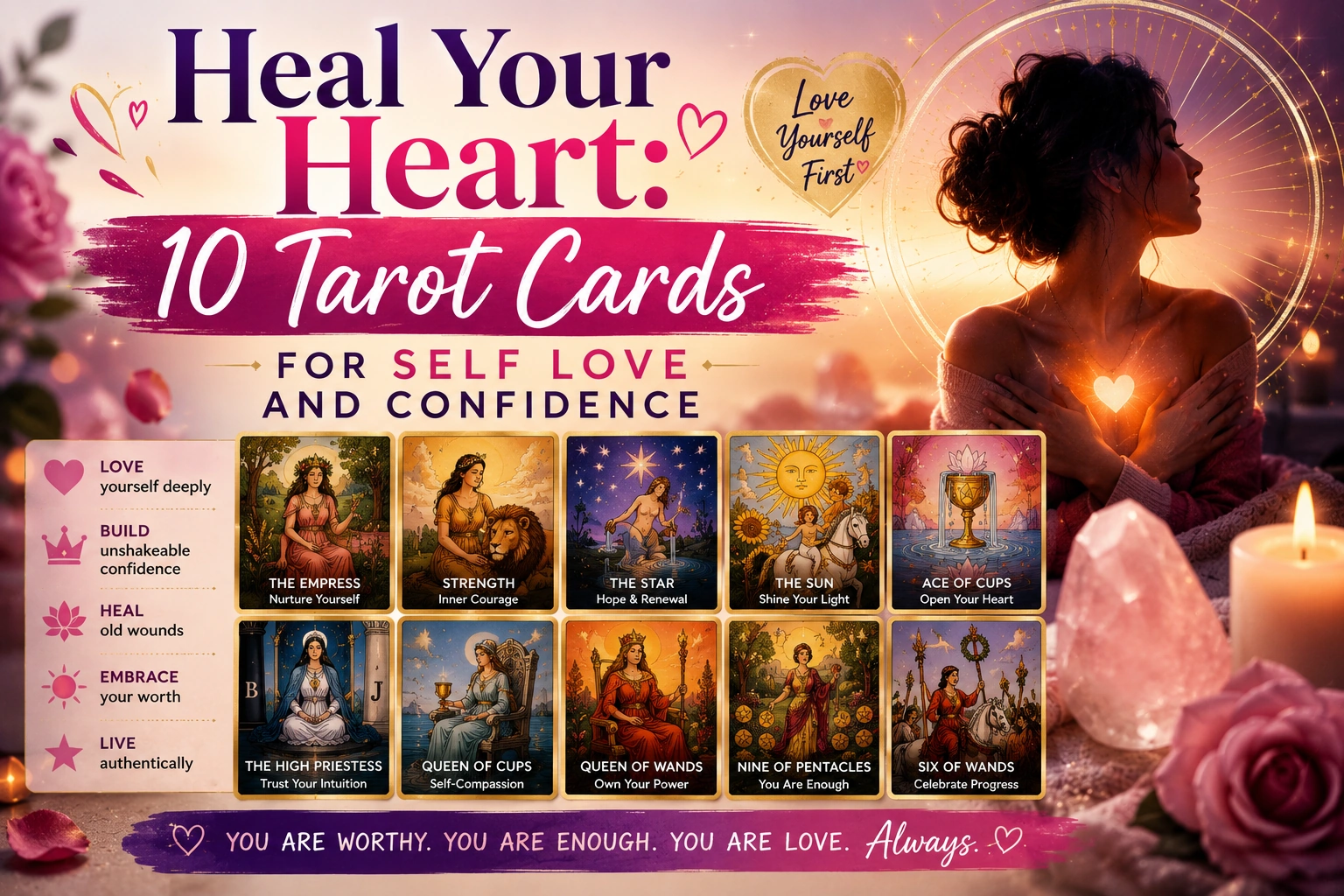
| The Empress (III) | Emotional nourishment | Care, sensuality, and the ability to receive love |
| The Emperor (IV) | Stability and boundaries | Structure, responsibility, and long-term intention |
| Justice (XI) | Balance and accountability | Truth, reciprocity, and karmic correction |
| The Devil (XV) | Attachment and shadow | Dependency, fear-based bonds, and emotional loops |
A common misconception is assuming these cards describe the other person. In practice, they usually reflect the dynamic itself — what the relationship is asking both individuals to confront or integrate.
The Suit of Cups: Emotional Temperature and Intimacy
Cups correspond to emotional exchange, vulnerability, and relational flow. Multiple Cups appearing together often indicate that logic or strategy alone will not resolve the situation — emotional awareness is required.
| Card | Emotional Signal | Interpretive Focus |
|---|---|---|
| Ace of Cups | Emotional openness | Readiness for new intimacy |
| Two of Cups | Mutual recognition | Balanced attraction and respect |
| Three of Cups | Shared joy | Community, celebration, or emotional diffusion |
| Ten of Cups | Emotional fulfillment | Sustainable emotional safety |
Experienced practitioners often note that an excess of Cups without grounding cards can signal emotional idealization rather than stability.
Soulmate and Twin Flame Dynamics: What the Cards Actually Show
Although modern language often labels connections as “soulmates” or “twin flames,” tarot does not rely on these terms. Instead, it uses symbolic intensity, repetition, and challenge to describe the function of a bond.
Harmonious Long-Term Bonds (Commonly Called Soulmates)
These connections are marked by emotional resonance and shared direction rather than intensity alone.
- The Lovers → conscious alignment, not inevitability
- Two of Cups → mutual emotional mirroring
- Six of Cups → familiarity, emotional safety, or shared history
Readings of this nature often show emotional depth without constant disruption, suggesting growth through cooperation rather than upheaval.
Transformational Bonds (Often Labeled Twin Flames)
These connections prioritize personal evolution over comfort.
- The Devil → magnetic attachment that exposes shadow patterns
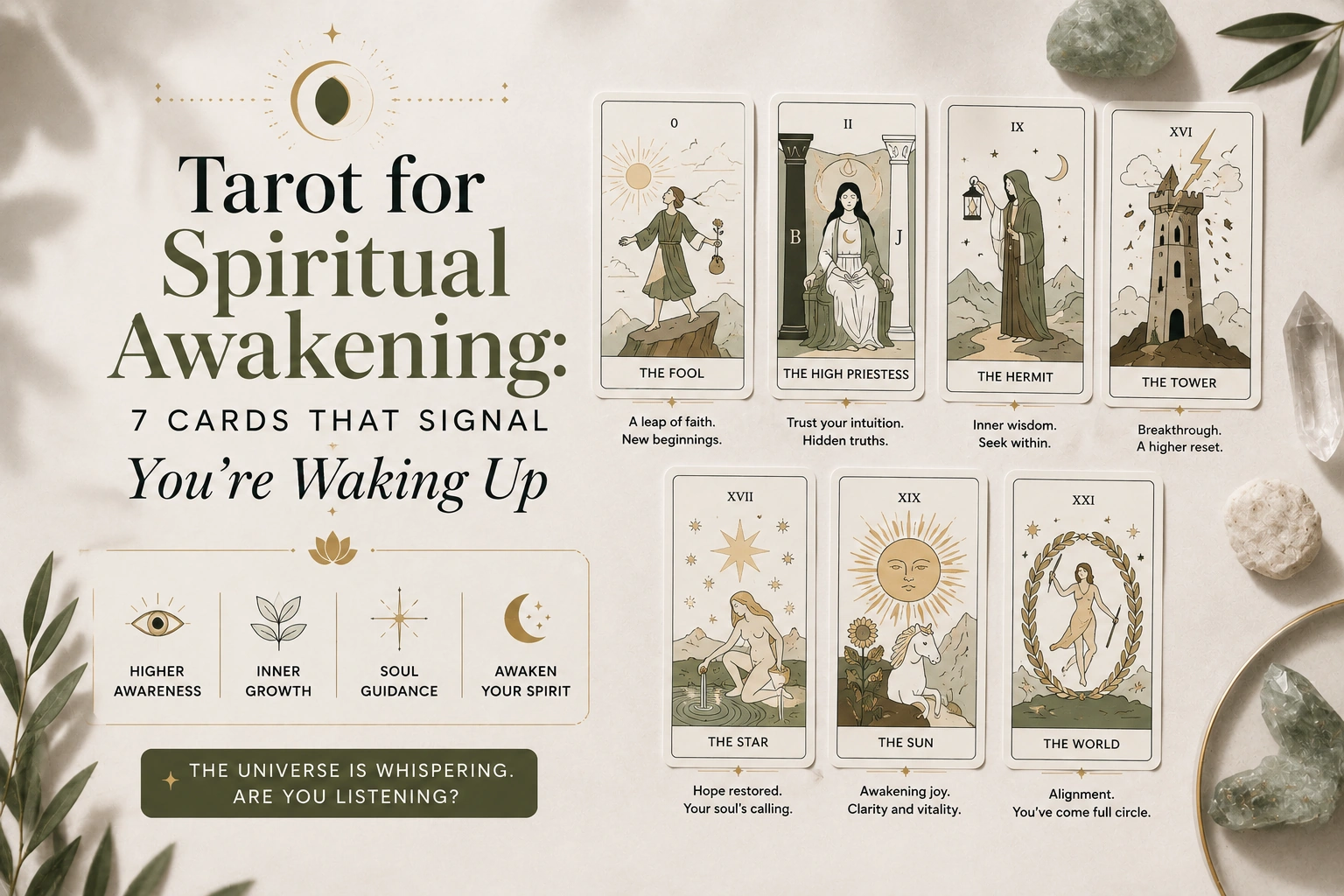
- The Tower → necessary breakdowns that dissolve illusions
- Eight of Swords → internal restriction rather than external limitation
In practice, these spreads emphasize self-mastery over reunion, a detail frequently misunderstood by seekers.
Practical Relationship Spreads That Produce Clarity
A spread does more than organize cards — it defines what level of responsibility the querent is willing to take.
For Singles: The Attraction Pattern Spread
| Position | Focus |
|---|---|
| Current emotional projection | |
| Unconscious relational block | |
| Qualities needing cultivation | |
| Environments that support connection | |
| Emotional trajectory if patterns shift |
This spread is most effective when used to adjust behavior and expectations, not to predict timing.
| Position | Focus |
|---|---|
| Personal emotional stance | |
| Partner’s energetic role | |
| Structural foundation | |
| Core challenge | |
| Direction if unchanged |
A common insight here is that conflict often emerges not from lack of love, but from misaligned emotional responsibilities.
Ethical Boundaries in Relationship Tarot
Because emotional vulnerability is involved, ethical practice is non-negotiable.
Free Will Above Prediction
Tarot reflects current momentum, not fixed outcomes. Ethical readings emphasize choice and responsibility rather than certainty.
Third-Party Readings and Emotional Privacy
Ethical approaches focus on the querent’s role and perception, not surveillance of another’s internal state.
| Responsible Framing | Problematic Framing |
|---|---|
| “What can I understand about this dynamic?” | “What are they hiding?” |
| “How do I move forward?” | “Will they come back?” |
Challenging Cards as Signals for Growth
Three of Swords: Emotional Truth Before Healing
This card does not predict suffering — it acknowledges pain that already exists. Its appearance often marks the moment when emotional honesty becomes unavoidable.
Five of Swords: Conflict Without Resolution
This card highlights power struggles that erode intimacy. In relationships, it often points to communication patterns that prioritize control over understanding.
Love Tarot as Conscious Relationship Work
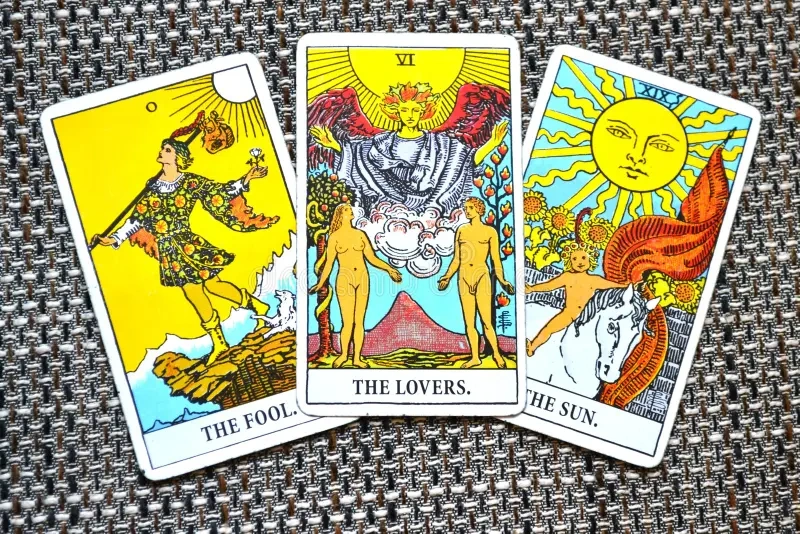
When stripped of fantasy, relationship-focused tarot becomes a reflective system for emotional literacy. It helps individuals recognize their attachment patterns, clarify emotional needs, and make conscious relational choices.
Used responsibly, tarot does not replace communication or accountability — it supports them. Its real value lies in helping the seeker approach love with awareness rather than projection, transforming connection from chance into choice.
References
- Biddy Tarot — Relationship Archetypes and Ethics
- The Tarot Professor — Love & Relationship Spreads
- Ethony — Emotional Integrity in Tarot Practice
- Labyrinthos — Symbolic Patterns in Relationship Readings
Self-Love as the Foundation of Relationship Readings
The most stable insight tarot offers in matters of love is this: external harmony reflects internal alignment.
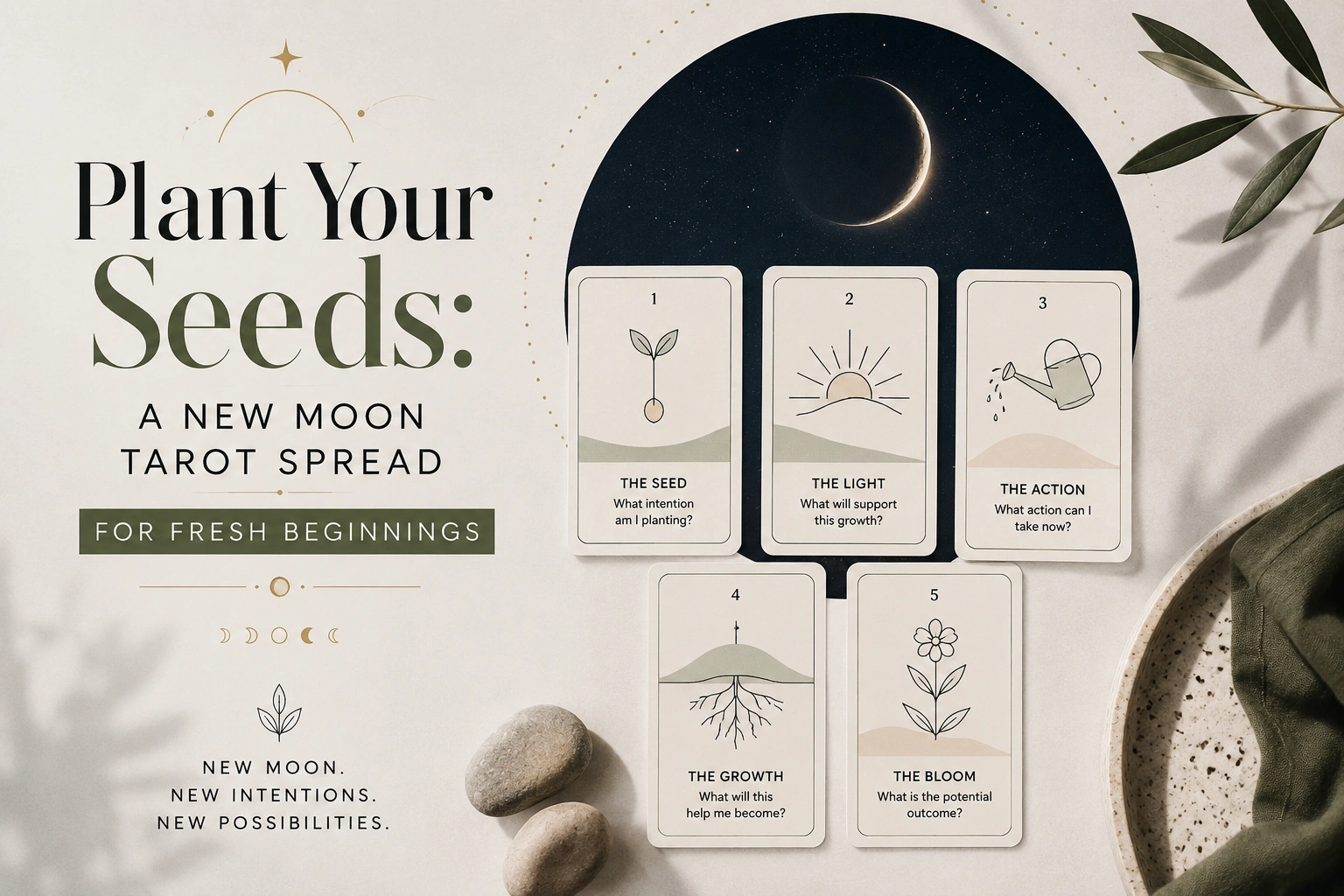
The Self-Connection Spread
| Position | Focus |
|---|---|
| Core emotional strength | |
| Limiting self-belief | |
| Emotional healing focus | |
| Practical self-care action | |
| Emerging self-identity |
The Queen of Cups as Emotional Maturity
This archetype reflects emotional presence without self-abandonment — intuition balanced by boundaries. When it appears, the message is often internal: nurture yourself with the same care you offer others.