The practice of tarot reading has evolved significantly since its origins, transforming from a simple card game into a profound tool for psychological insight, self-reflection, and personal development.
In the modern era, where the search for meaning and authentic self-expression is paramount, the tarot reading offers a unique symbolic language to navigate the complexities of the human experience.
This comprehensive guide explores the history, structure, psychological underpinnings, and practical application of tarot reading, demonstrating its immense value in fostering self-knowledge and promoting continuous growth.
The Historical and Structural Foundations of Tarot Reading
The history of tarot reading is often shrouded in myth, but its verifiable origins trace back to 15th-century Europe.
Initially, the cards were not used for divination but for a game known as tarocchi in Italy.
It was not until the 18th century that esoteric scholars began to associate the cards with ancient Egyptian wisdom, Kabbalah, and other mystical traditions, thereby establishing the foundation for modern tarot reading as a divinatory and psychological system.
The most widely recognized deck today, the Rider-Waite-Smith deck, published in 1909, standardized the imagery and structure that inform most contemporary tarot reading practices.
A standard tarot deck consists of 78 tarot cards, divided into two distinct sections: the Major Arcana and the Minor Arcana.
The Major Arcana: The Fool’s Journey
The Major Arcana comprises 22 trump tarot cards, numbered 0 to 21. These cards represent the major life lessons, karmic influences, and archetypal themes that shape the human journey.
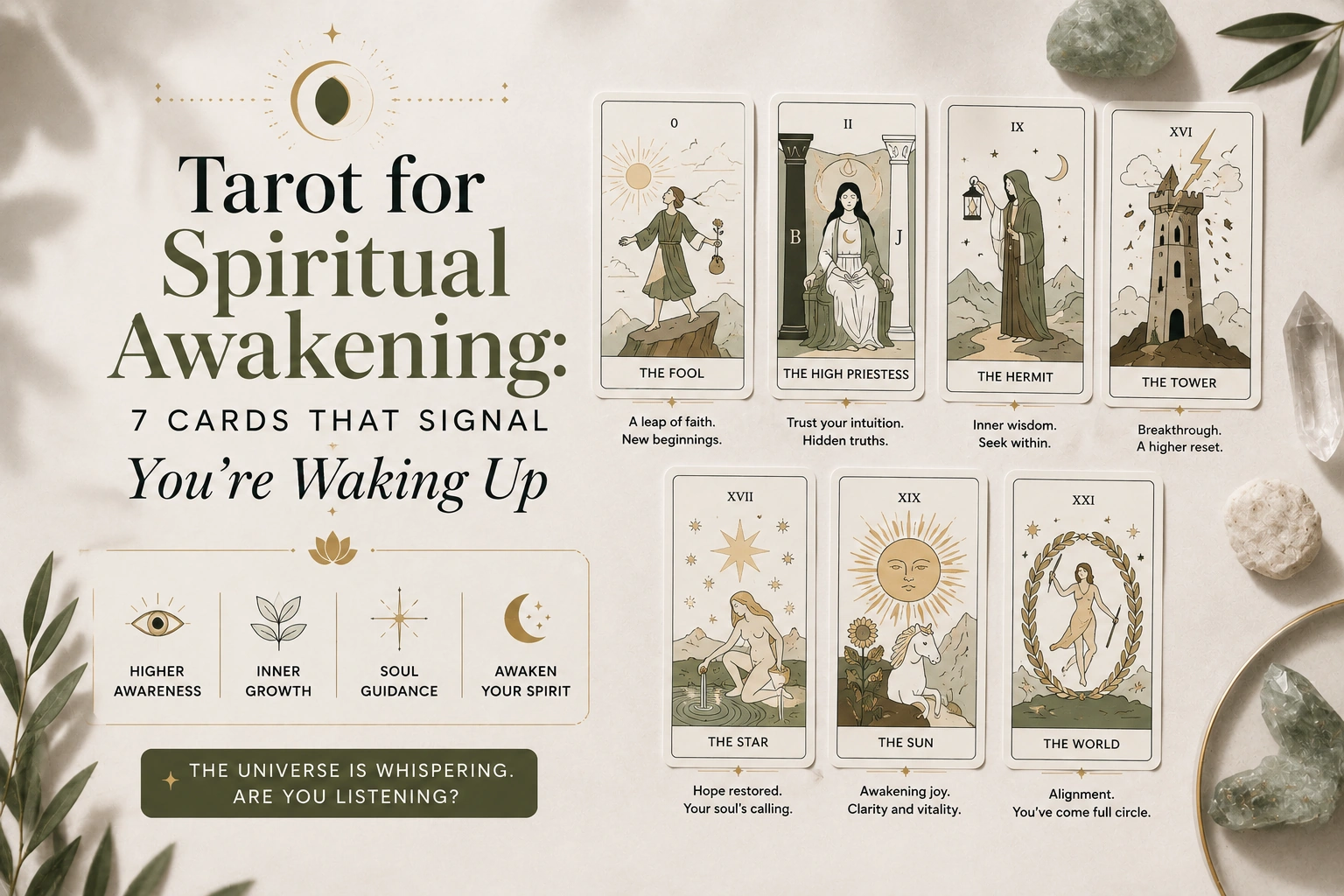
Collectively, they tell the story of “The Fool’s Journey,” a metaphorical narrative of the soul’s path from innocence (The Fool) through various trials and tribulations to ultimate realization and enlightenment (The World).
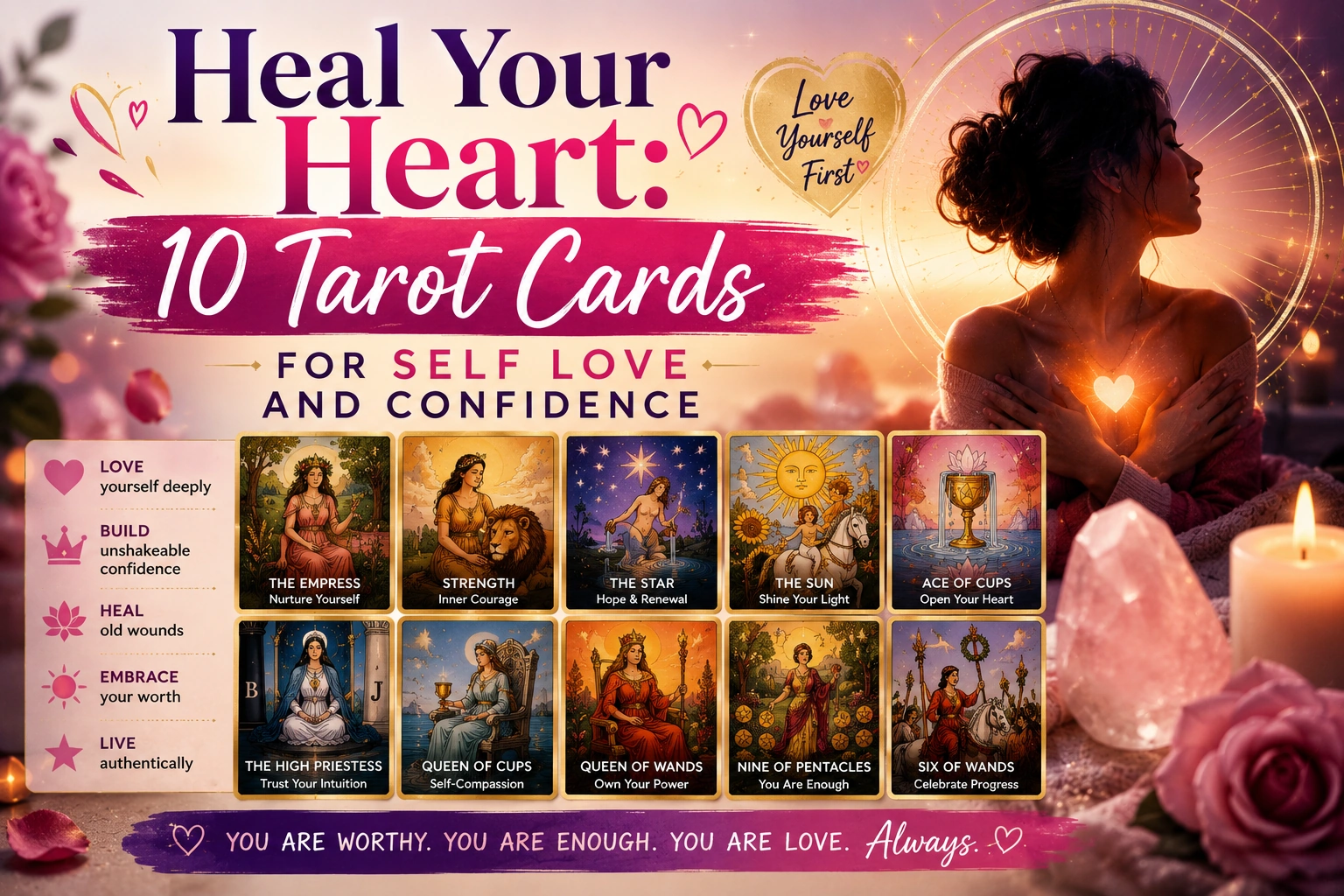
Each card in the Major Arcana symbolizes a stage of psychological and spiritual development. For instance, The Magician (I) represents conscious manifestation and resourcefulness, while The High Priestess (II) embodies intuition and the subconscious mind.
The strength of tarot reading lies in its ability to map these universal archetypes onto the querent’s personal narrative, providing context and perspective on their current life phase.
The Minor Arcana: The Details of Daily Life
The Minor Arcana consists of 56 tarot cards, divided into four suits, each containing ten numbered cards and four Court Cards (Page, Knight, Queen, and King).
These cards address the more mundane, day-to-day events, emotions, and challenges. They provide the necessary detail and nuance to complement the broader themes presented by the Major Arcana in a tarot reading.
The four suits correspond to the four classical elements and represent different facets of life and consciousness:
| Suit | Element | Domain of Life | Keywords |
|---|---|---|---|
| Wands | Fire | Action, Will, Creativity, Career | Inspiration, Energy, Ambition, Enterprise |
| Cups | Water | Emotions, Relationships, Intuition, Love | Feelings, Intimacy, Imagination, Connection |
| Swords | Air | Intellect, Thought, Conflict, Truth | Logic, Communication, Challenges, Clarity |
| Pentacles | Earth | Material World, Finance, Body, Security | Resources, Stability, Work, Manifestation |
Understanding the interplay between the Major and Minor Arcana is crucial for a comprehensive tarot reading. The Major Arcana reveals what is happening on a soul level, while the Minor Arcana shows how it is manifesting in the practical, everyday world.
The Psychological Depth of Tarot Reading
Beyond its historical and structural elements, the enduring power of tarot reading lies in its profound psychological resonance.
Carl Jung, the renowned Swiss psychiatrist, explored the concept of archetypes—universal, archaic patterns and images that derive from the collective unconscious.
The imagery of the tarot cards aligns perfectly with these archetypes, making the deck a powerful tool for accessing and interpreting the subconscious mind.
Tarot Reading as a Mirror to the Subconscious
When a person engages in a tarot reading, the selection of cards is often viewed not as a random event, but as a manifestation of synchronicity—a meaningful coincidence that reveals an underlying pattern. The cards drawn act as a mirror, reflecting the querent’s internal state, hidden fears, untapped potential, and unconscious motivations.
The process of tarot reading is inherently therapeutic. It externalizes internal conflicts, allowing the querent to view their situation objectively through the symbolic language of the tarot cards.
This distance facilitates self-acceptance and provides a framework for understanding complex emotional landscapes. It is a form of active imagination, where the symbols on the cards stimulate the imagination and unlock personal insights that might otherwise remain inaccessible.
“The symbols of the Tarot are not merely static images; they are dynamic representations of the human psyche’s journey. Engaging with them through tarot reading is a dialogue with the self.”
Practical Application: How to Perform a Tarot Reading
Performing a tarot reading is a skill that develops with practice and intuition. While professional readers offer valuable guidance, learning to read for oneself is the most direct path to self-knowledge and growth. The following steps outline the fundamental process for a personal tarot reading.
Setting the Intention and Question
The quality of a tarot reading is directly proportional to the quality of the question asked. Effective questions are open-ended, focusing on the querent’s role, choices, and internal state, rather than predicting external events or seeking a simple ‘yes’ or ‘no’ answer.
Examples of Growth-Oriented Questions:
•Instead of: “Will I get the job?”
•Ask: “What aspects of myself should I focus on to increase my chances of success in this new career path?”
•Instead of: “Does my partner love me?”
•Ask: “What can I do to cultivate a more loving and supportive relationship with my partner and myself?”
This shift in focus transforms the tarot reading from fortune-telling into a powerful coaching session with the self.
The Ritual of Shuffling and Selection
The ritualistic aspects of tarot reading—shuffling, cutting, and selecting the tarot cards—help to ground the reader and focus the energy. The shuffling process is believed to infuse the deck with the querent’s energy and intention.
1.Clear the Deck: Before a tarot reading, clear the deck of any residual energy by knocking on it or fanning it out.
2.Focus the Intention: Hold the deck and silently or verbally state the question or intention.
3.Shuffle: Shuffle the tarot cards until it feels right. Some readers shuffle until a card “jumps” out, while others simply cut the deck into three piles and reassemble them.
4.Selection: Draw the required number of tarot cards for the chosen spread.
Interpreting the Symbols in a Tarot Reading
Interpretation is the heart of the tarot reading. It requires blending knowledge of the card’s traditional meaning with intuition and the context of the question and the surrounding cards.
1.Identify the Card: Note the card’s name, number, and whether it is upright or reversed.
2.Connect to the Position: Relate the card’s meaning to the specific position it holds in the spread (e.g., Past, Obstacle, Advice).
3.Synthesize the Narrative: The true insight comes from seeing how the tarot cards interact to form a cohesive story. A single card is a word; the spread is a sentence. The complete tarot reading is a chapter in the querent’s life story.
Popular Tarot Spreads for Self-Knowledge
While countless spreads exist, certain formations are particularly effective for deep self-reflection and growth-oriented tarot reading.
The Three-Card Spread
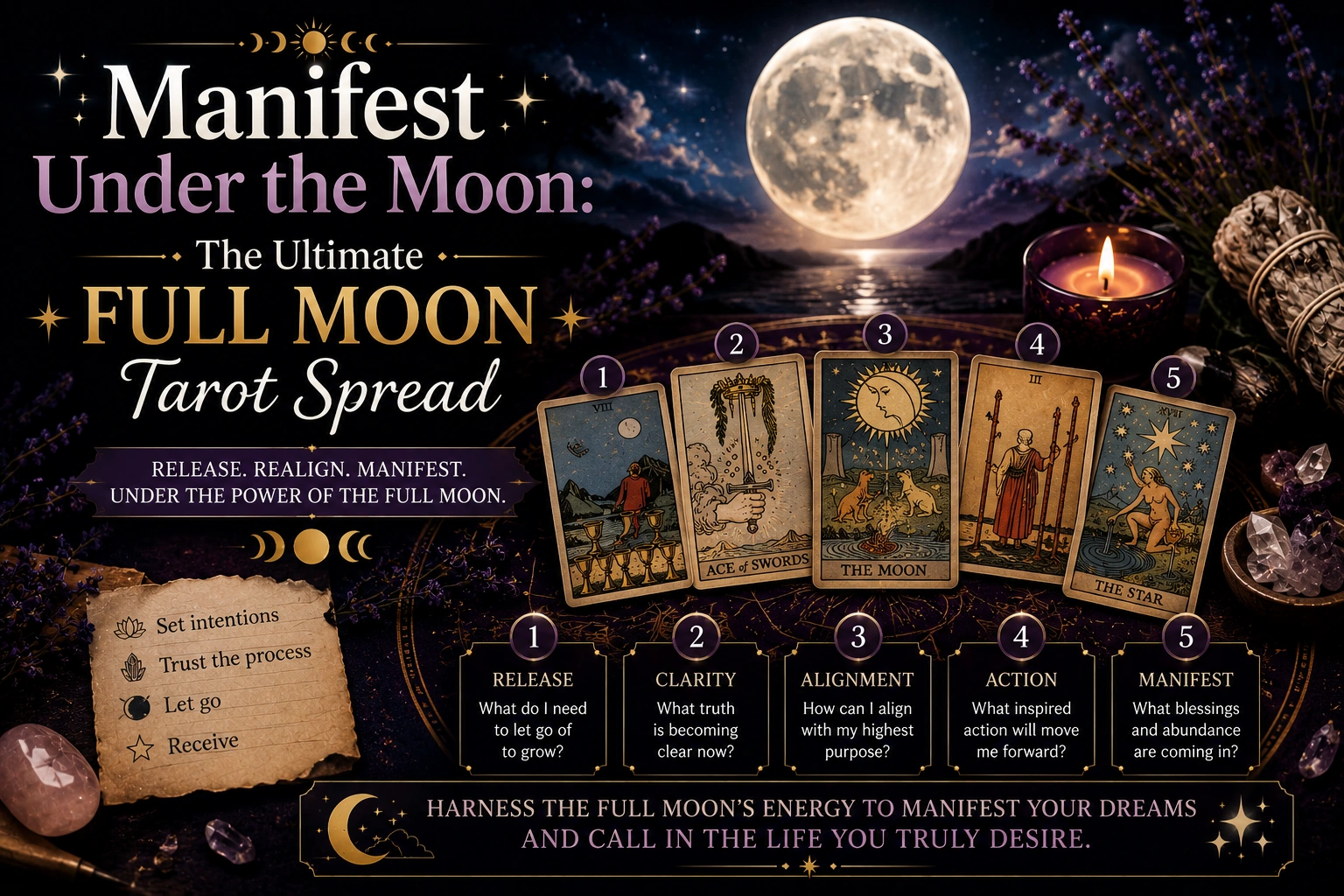
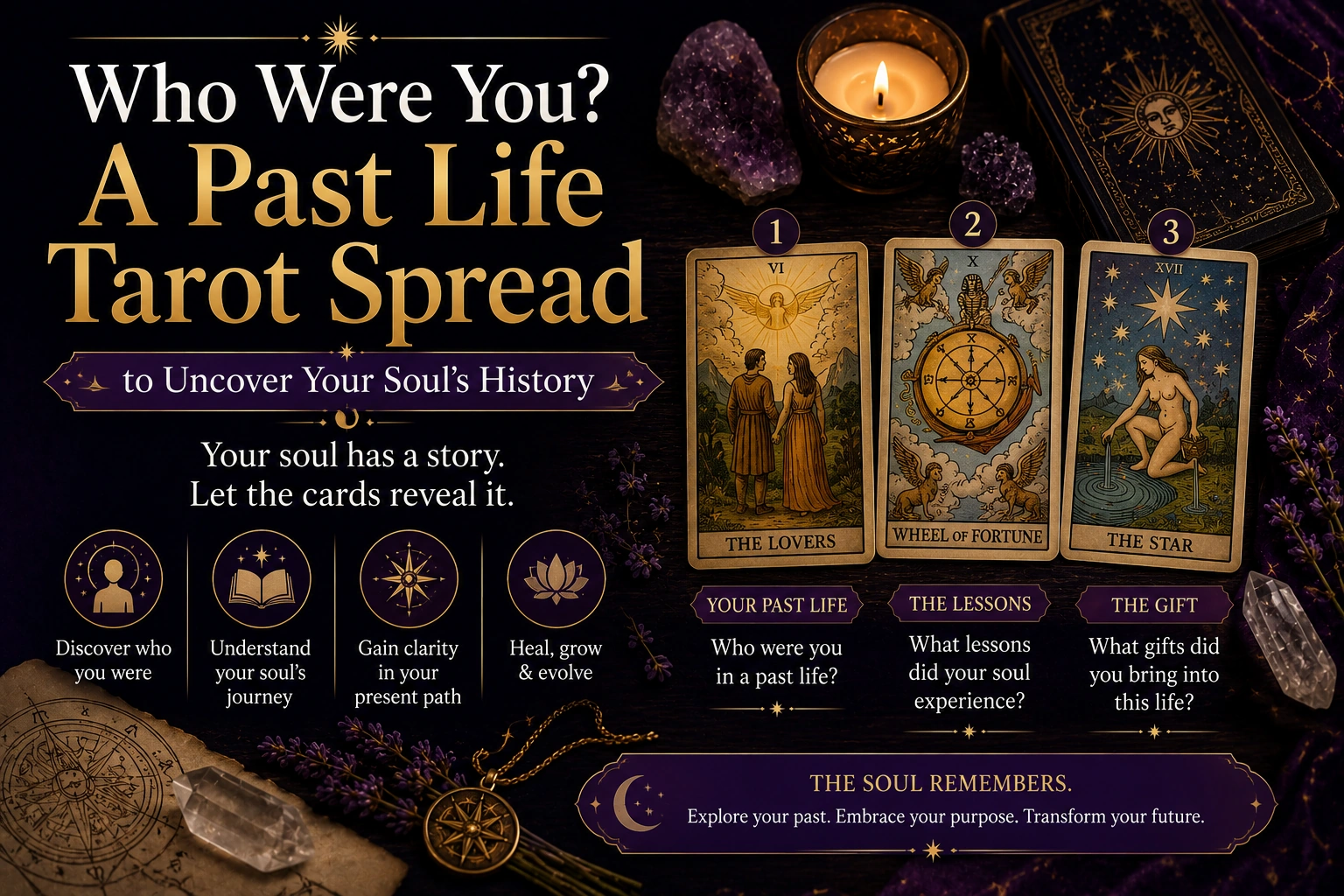
This is the most versatile and beginner-friendly spread. It provides a quick snapshot of a situation and is ideal for a focused daily tarot practice.
| Position | Focus | Meaning for Self-Knowledge |
|---|---|---|
| Card 1 | Past / Root Cause | The underlying energy or history that led to the current situation. |
| Card 2 | Present / Challenge | The current state of affairs or the primary obstacle to overcome. |
| Card 3 | Future / Advice | The likely outcome if the current path is maintained, or the best course of action to take. |
The Celtic Cross Spread
The Celtic Cross is one of the most comprehensive spreads, offering a detailed, multi-layered view of a complex situation. It is often used when a deep, thorough tarot reading is required.
The ten positions cover: the present situation, the immediate challenge, the foundation, the past, the potential future, the self, external influences, hopes and fears, and the final outcome. Mastering this spread significantly enhances one’s ability to perform a detailed tarot reading.
The Transformative Practice of Daily Tarot
Integrating daily tarot into one’s routine is a powerful way to maintain continuous self-awareness. A daily tarot practice transforms the tarot cards from a tool used only in times of crisis into a constant companion for mindfulness and introspection.
How to Practice Daily Tarot
The simplest form of daily tarot involves drawing a single card each morning.
1.Draw and Reflect: Draw one card and note its meaning.
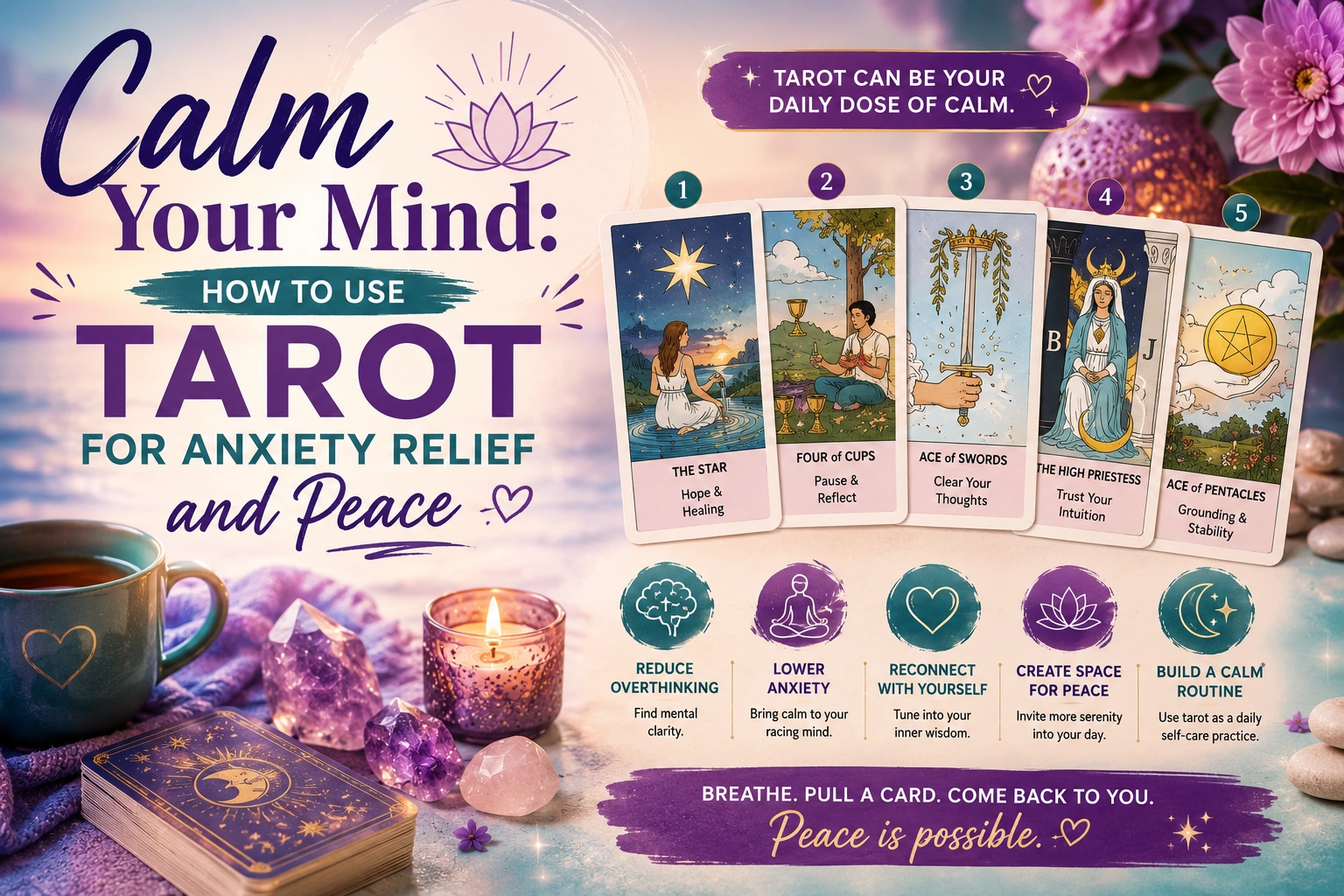
2.Set an Intention: Use the card’s energy to set an intention for the day. For example, if The Hermit is drawn, the intention might be to seek quiet reflection or internal wisdom.
3.Journaling: Record the card, the initial interpretation, and the intention in a daily tarot journal.
4.Review: At the end of the day, review the journal entry. How did the card’s theme manifest? Did the day’s events align with the card’s message? This reflective loop is the core of self-growth through tarot reading.
This consistent engagement with the tarot cards sharpens intuition and deepens the understanding of the symbolic language, making future tarot reading sessions more insightful.
Debunking Common Misconceptions about Tarot Reading
Despite its growing acceptance, tarot reading is still subject to several misconceptions that can hinder its effective use as a tool for self-growth.
Misconception 1: Tarot Predicts a Fixed Future
The most pervasive myth is that tarot reading predicts an unchangeable future. In reality, the cards reveal tendencies and potential outcomes based on the current trajectory of events and the querent’s energy. Since free will is always active, the future is fluid.
The true value of a tarot reading is not in knowing what will happen, but in understanding the present forces at play so that the querent can make informed choices to shape their desired future.
Misconception 2: Cards are Inherently “Good” or “Bad”
Cards like Death, The Tower, or the Three of Swords often evoke fear. However, in the context of tarot reading for self-knowledge, no card is inherently bad. They are simply messengers of energy.
•Death rarely means physical death; it signifies transformation, necessary endings, and new beginnings.
•The Tower represents sudden, necessary breakdown of old structures that no longer serve the querent, leading to liberation.
•The Three of Swords acknowledges pain and heartbreak, but also signals the need for emotional processing and healing.
A skilled tarot reading reframes these challenging cards as opportunities for profound growth.
Integrating Tarot Reading into a Holistic Growth Strategy
Tarot reading is most effective when integrated into a broader strategy for personal development. It complements practices such as meditation, journaling, and therapy by providing a visual, symbolic language for internal exploration.
The consistent use of tarot cards helps to develop the intuitive muscle. By regularly asking open-ended questions and trusting the initial intuitive response to the imagery, the querent strengthens their connection to their inner wisdom. This intuitive clarity is invaluable in making life decisions that are aligned with one’s authentic self.
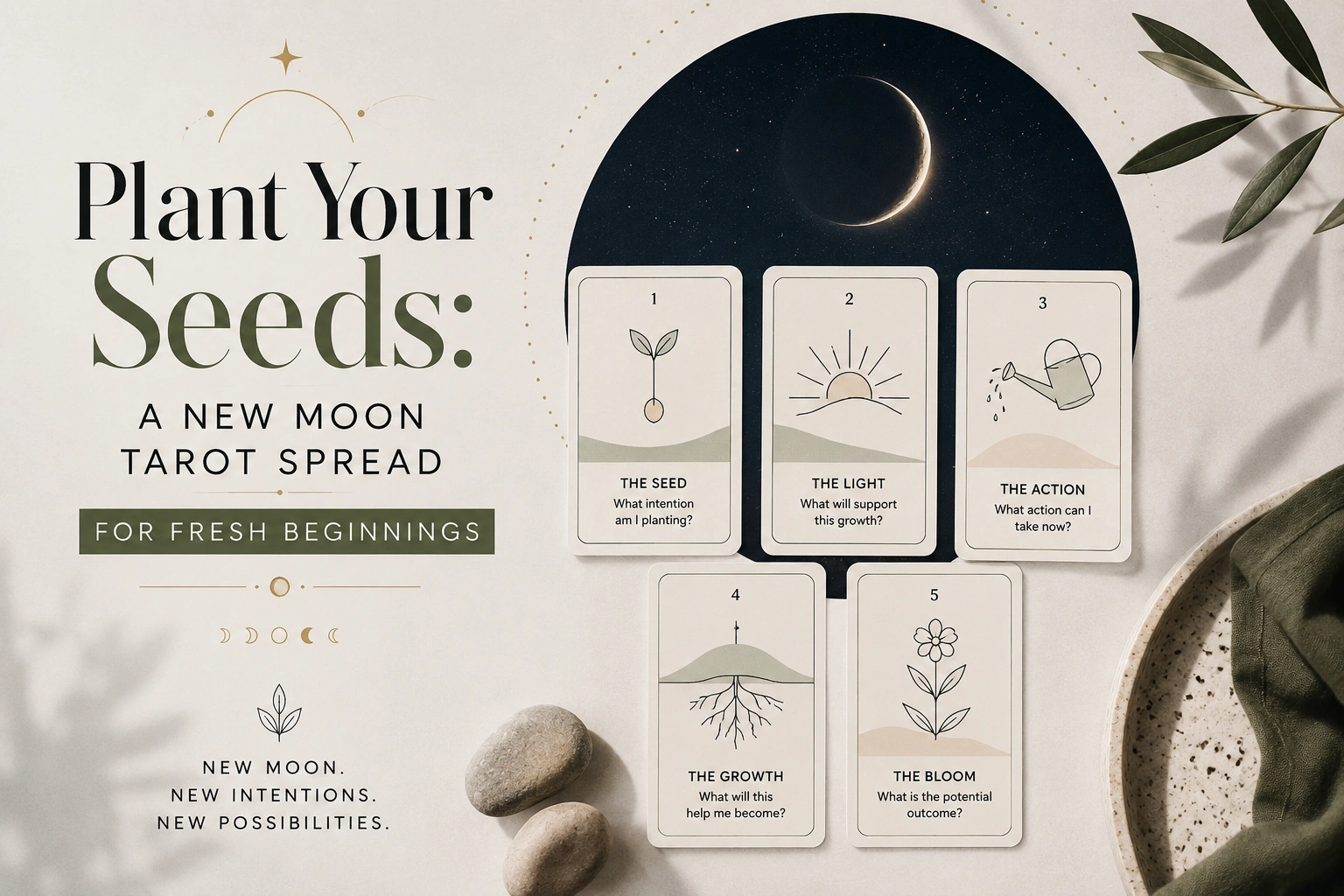
Furthermore, tarot reading provides a powerful framework for goal setting. By using spreads designed to explore obstacles, necessary resources, and potential outcomes, the tarot cards can illuminate the most effective path forward, turning abstract goals into actionable steps. This application of tarot reading moves it firmly into the realm of practical self-coaching.
The Journey Continues with Tarot Reading
The journey of self-knowledge is lifelong, and tarot reading serves as a reliable, insightful companion along the way.
From its humble beginnings as a game to its current status as a sophisticated tool for psychological and spiritual exploration, the tarot cards offer a rich tapestry of symbols that reflect the entirety of the human experience.
By embracing tarot reading not as a predictive tool, but as a mirror to the subconscious and a guide for conscious choice, individuals can unlock deeper levels of self-understanding.
Whether through a complex Celtic Cross spread or a simple daily tarot draw, the practice empowers the querent to take ownership of their narrative, navigate challenges with grace, and commit to a path of continuous self-growth.
The deck is always ready to be shuffled, and the next chapter of the Fool’s Journey is always waiting to be revealed.