I’ve often found that the first question people ask when they meet me as a tarot reader is: “Is tarot the same as oracles?” For many, these two terms sound interchangeable, but after years of dedication to both, I can assure you: tarot and oracle decks offer distinct approaches to insight, reflection, and personal growth. Today, drawing from my experience with Tarotha and my ongoing studies in self-knowledge, I want to help you discover the real differences.
The structure: order versus freedom
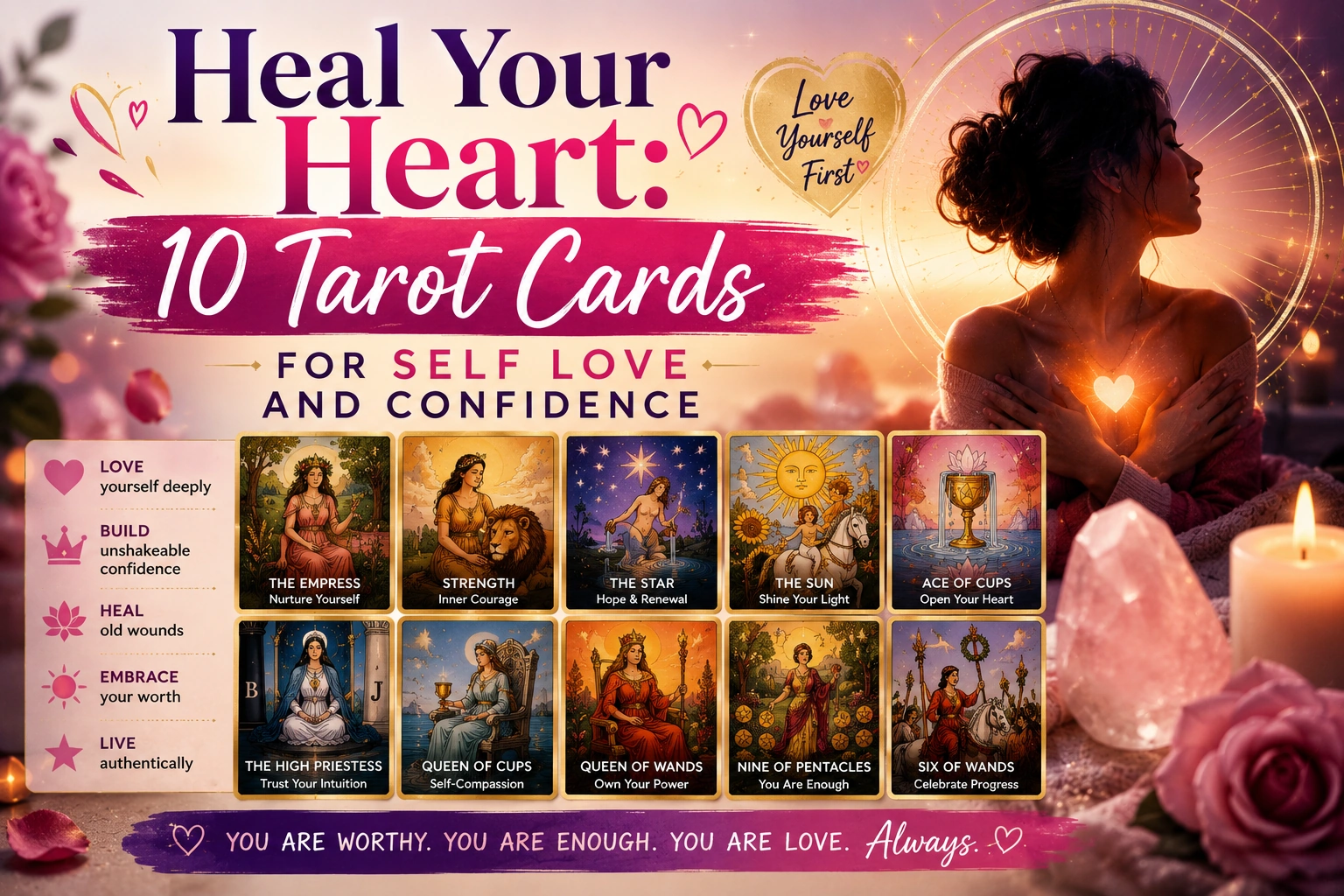
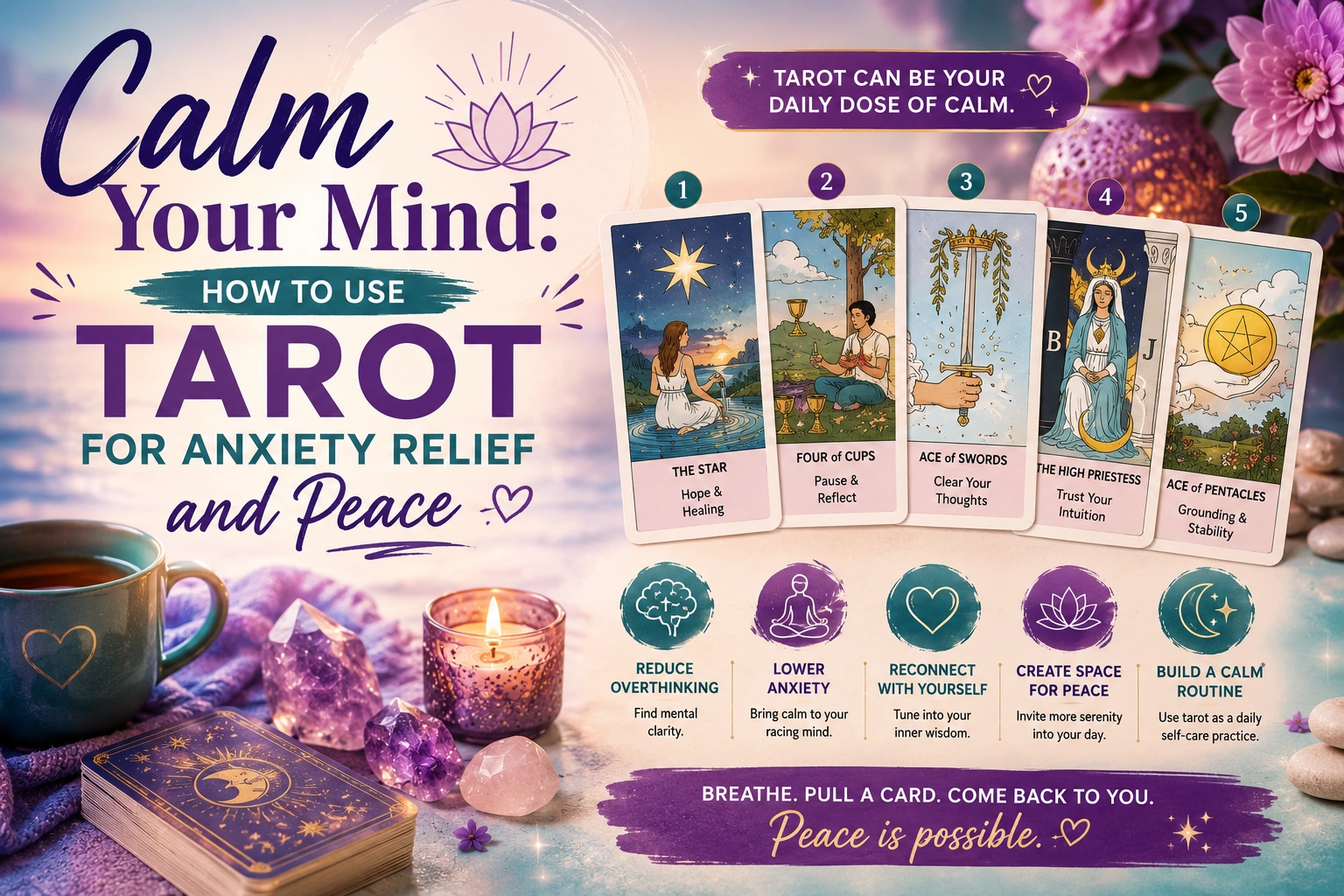
The easiest way I’ve ever explained tarot and oracles is by comparing their underlying structures. Tarot, in every tradition I’ve studied, is a deck with a set system. Usually, it contains 78 cards grouped into the Major Arcana and Minor Arcana. This structure repeats from one tarot deck to the next, even if the images or names change. The symbolism and meanings are deeply rooted and widely shared among practitioners worldwide.
Oracle decks, on the other hand, are far less restricted. There are no set number of cards. A deck might have 30 cards, 44 cards, 60 cards, and so on. The themes, messages, and artwork vary greatly. The creator has total freedom to design and interpret. This makes oracle decks feel deeply personal, both for the artist and the reader.
Tarot speaks a common language; oracles whisper with their own voice.
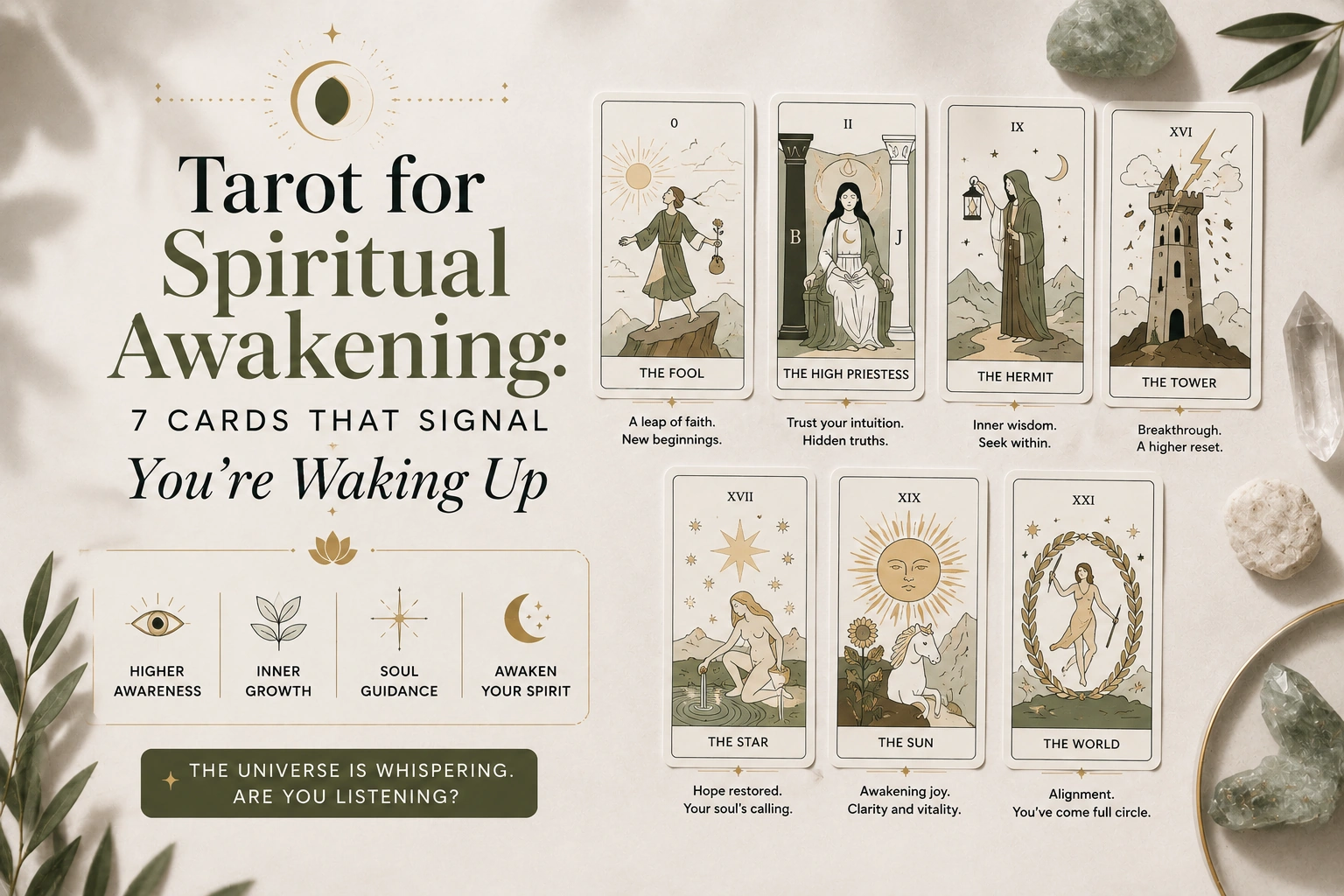
In my own tarot readings at Tarotha, I often rely on the recognizable journey of the Major Arcana, moving from The Fool toward The World, to present a “map” through life’s mysteries. With oracles, I sense an invitation to dialogue rather than follow a well-marked trail.
 The symbolism: set meanings or creative inspiration?
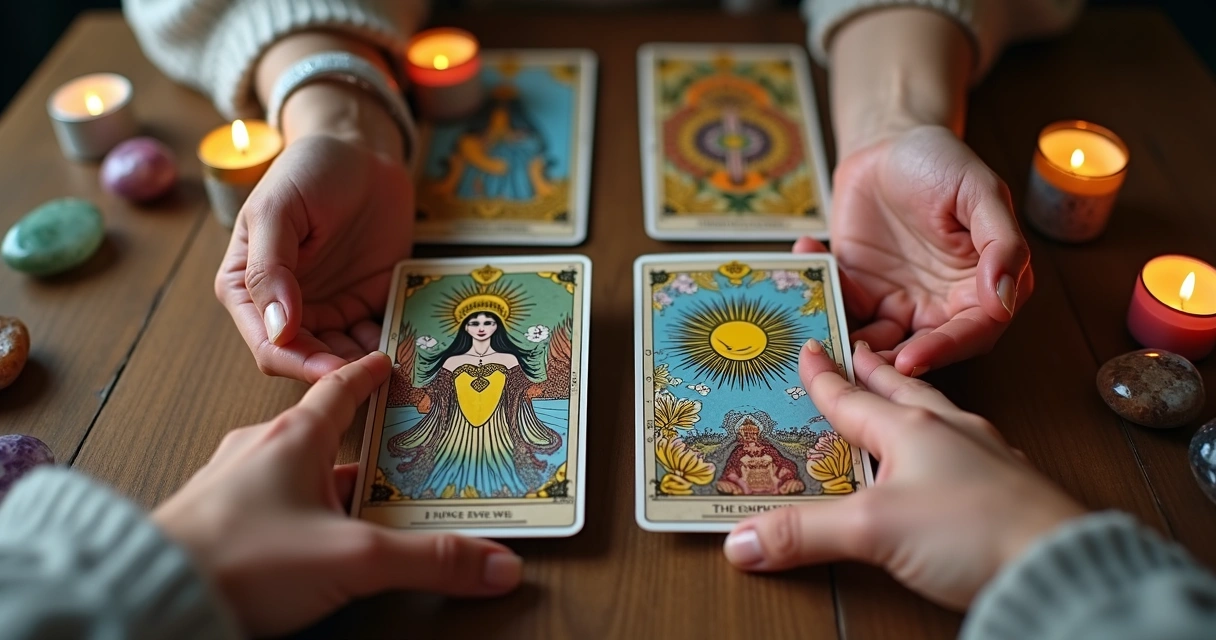 The symbolism: set meanings or creative inspiration?
Every tarot card has an established history. For example, The Tower will always relate to sudden change and upheaval, while the Two of Cups speaks of partnership and harmony. These archetypes have layers of meaning that go back centuries.
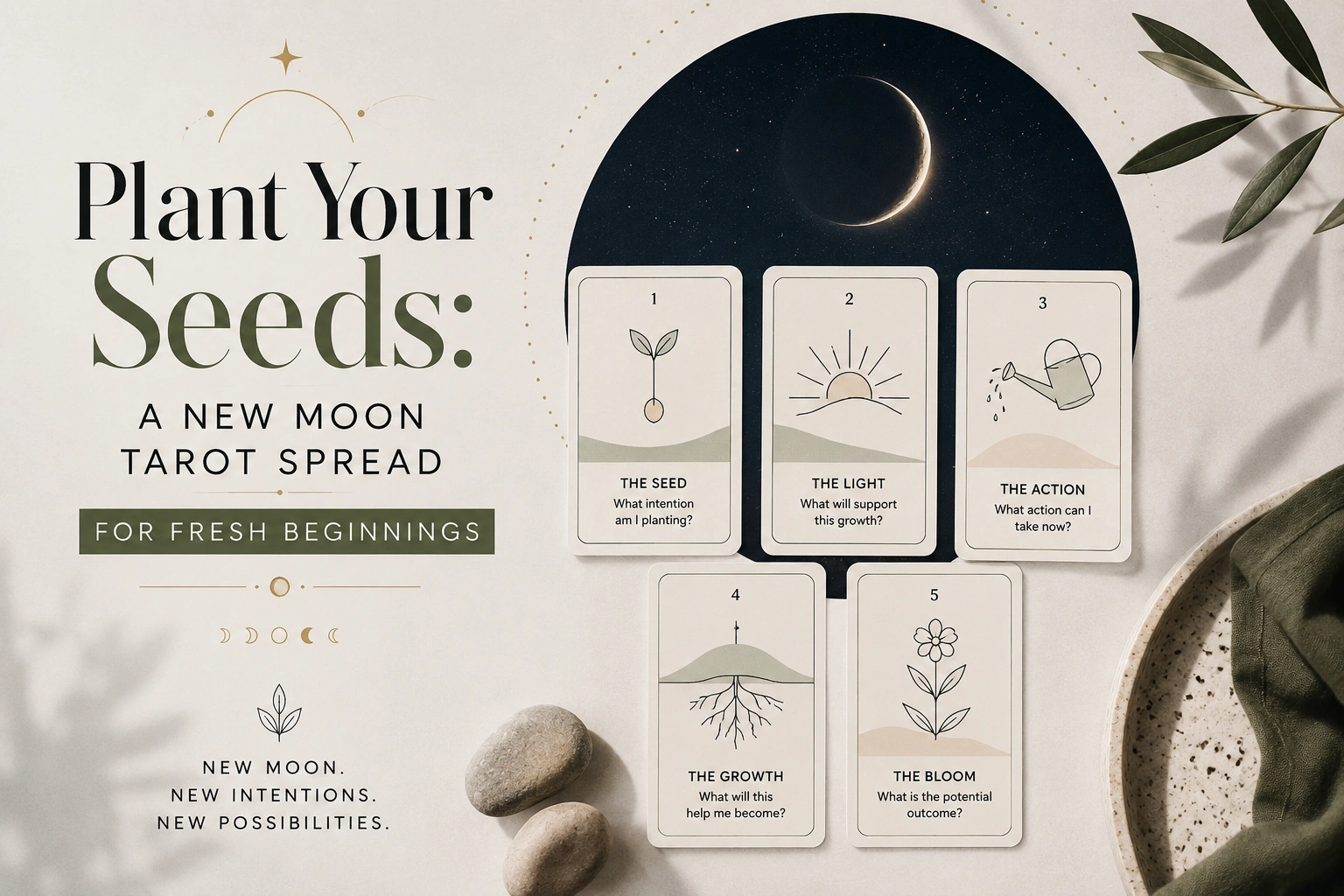
Oracle decks don’t lean on archetypes in this way. They might use animals, flowers, angels, affirmations, colors, or completely new systems. Some of my favorite oracle decks are built around positive self-talk or the cycles of the moon. The meanings come from the creator’s vision and often the reader’s intuition.
Tarot cards draw from a well of established stories and symbols, while oracle cards invite new stories to emerge during each reading. That freedom means oracles can adapt to trends in spirituality, psychology, or personal development, while tarot preserves its classic depth.
How readings feel different
It’s common for beginners to start with oracles, and I understand why. The messages tend to be simple, direct, and positive—like receiving a note from a comforting friend. In my readings for self-knowledge and personal guidance, such as in the topics explored at Tarotha’s self-knowledge articles, I use oracle decks to open a gentle conversation with the subconscious.
- Tarot readings often challenge me to face deeper truths or complex issues. They offer a structured roadmap to explore not just where you are, but how you got there and where you might go next.
- Oracle decks work well for daily inspiration, encouragement, or when you want to tune into a more nurturing message. They often answer “What do I need to know right now?” rather than “What happens if I take this path?”
- When I need to address big, layered questions about life, relationships, or decisions, I lean on tarot. For emotional well-being, creative blocks, or spiritual comfort, I love reaching for oracles.
Origins and history: deep roots and free branches
When I first encountered tarot, I was amazed to find a tradition that spans centuries. Most historians trace tarot’s origins to 15th-century Europe. Over time, it became a tool for spiritual reflection, carrying a sense of depth and continuity.
Oracle decks, in contrast, are a much newer phenomenon in the world of card readings. They sprang up as creative alternatives, responding to people’s desire for unique, personalized guidance. When people ask me about the differences in tradition, I describe tarot as “deep roots” and oracles as “free branches.” One grounds you in shared meaning, the other allows you to reach outward, with unlimited possibilities.
Learning curve: which is easier?
If you’re new, the learning curve can be a concern. In my experience, oracle decks are often easier for beginners because they require less memorization. Each card usually comes with an explanation, so you can focus on intuition and personal reaction.
By contrast, tarot rewards study and curiosity. There’s a richer background to absorb, from card meanings to the interactions among them. The major and minor arcana, suits, court cards—each component brings its own lessons. Many who seek deeper self-knowledge or join projects like Tarotha are drawn to tarot for this very reason: it’s a lifelong study, not just a simple tool.
When to use tarot or oracle decks?
 When to use tarot or oracle decks?
People sometimes ask me if one is “better” than the other. I don’t believe so. Instead, what matters is the intent. Tarot decks are my go-to when a person seeks clarity about their journey—if there’s a crossroads, challenge, or pattern that begs for reflection, tarot’s structured insight shines through.
Oracle decks are perfect for gentle daily guidance, encouragement, or for when I notice that someone feels nervous or new to the process. Sometimes I combine both. For example, I might use tarot for the main spread and an oracle for a closing message. Each approach has a place in my work and in the resources I offer at Tarotha.
How Tarotha brings these tools together
At Tarotha, my focus is always on nurturing the self-knowledge journey of each person I meet. I use tarot as a compass to illuminate deeper trends and Oracle decks to offer comfort, inspiration, and balance. When guiding someone through a particularly difficult phase, I turn to tarot’s layers of archetypes. When someone simply needs a kind word or a fresh perspective, oracle cards become my gentle messengers.
If you’d like to read more about the transformative power of these practices, I encourage you to check out insights in the tarot category or explore articles filled with guidance and real stories at the guidance section. Sometimes, sharing examples such as this practical post about card meanings or real-life readings helps clarify the potential these systems offer.
Conclusion: embracing both for inner clarity
After years working with both systems, I believe in the value of using tarot and oracle decks as complementary companions rather than rivals. Tarot gives clear structure and depth, while oracles invite a softer, more flexible reflection. When I guide people toward self-knowledge, as I do through Tarotha’s services, I find that offering both options allows for more personal growth, connection, and insight.
If you are ready to strengthen your own journey of self-discovery, I welcome you to connect with Tarotha. Experience how tarot and oracle guidance can illuminate your next steps, bring clarity, and nurture your personal transformation. I invite you to discover how our tools, articles, and services can support your growth and well-being.
Frequently asked questions
What is the difference between tarot and oracle?
Tarot is a structured system of 78 cards with familiar archetypes and well-established meanings, while oracle cards have no fixed structure or number and can follow any theme, making them more open-ended and creative. Tarot provides depth, history, and consistency, whereas oracles adapt to the creator’s inspiration and the reader’s intuition.
How do I choose between tarot and oracles?
I suggest you reflect on what you are looking for. If you want detailed guidance with a traditional foundation and are curious about symbolism, tarot may be more suitable. If you prefer quick, uplifting messages or a more flexible approach, oracle decks are inviting and gentle. Many people, myself included, enjoy having both for different moods and situations.
Which is easier to learn, tarot or oracle?
For most beginners, oracle decks are easier to start with because you can read each card based on its message without memorizing a complex system. Tarot involves learning meanings and relationships among the cards—something that rewards patience and long-term interest.
Can I use tarot and oracle together?
Absolutely! I often combine both in my readings and find the experience enriching. Tarot can provide a detailed look at your question, while an oracle card adds a layer of affirmation or encouragement. Mixing both can create a more balanced and insightful session.
Where can I buy tarot and oracle decks?
You can find tarot and oracle decks at many online stores, metaphysical shops, and sometimes bookstores. I always encourage choosing decks that resonate with you in artwork and message, as this strengthens your personal connection to the cards.